
Google Genie 3 World Model Opens to Public Users Create Entire Games from One Photo
Google just did something that could change gaming forever. Their Genie 3 world model is now open for public testing. Users can create entire interactive worlds from a single photo or sketch. The gaming industry is watching closely because this technology makes something possible that seemed like science fiction just months ago.
Here is the simple version. You upload a picture. You describe what you want. Genie 3 turns it into a fully playable 3D world that runs in your browser. No coding required. No game engine knowledge needed. Just your imagination and a few words.
What Is Genie 3 and Why It Matters
Google first previewed Genie 3 back in August 2025. At the time it was just a research project. The company showed demos of an AI that could generate interactive environments from simple inputs. But there was no public access. Developers and gamers could only watch videos and wonder when they might get to try it themselves.
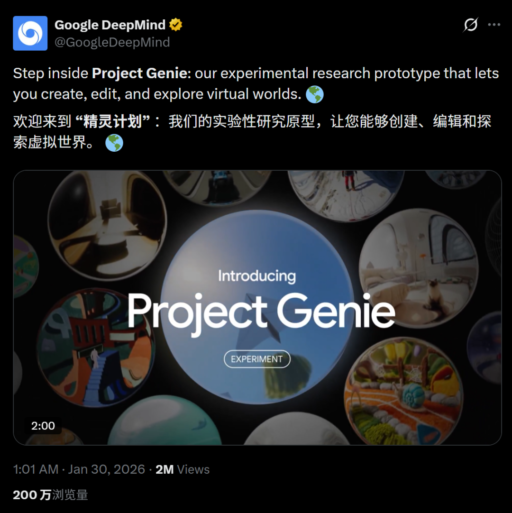
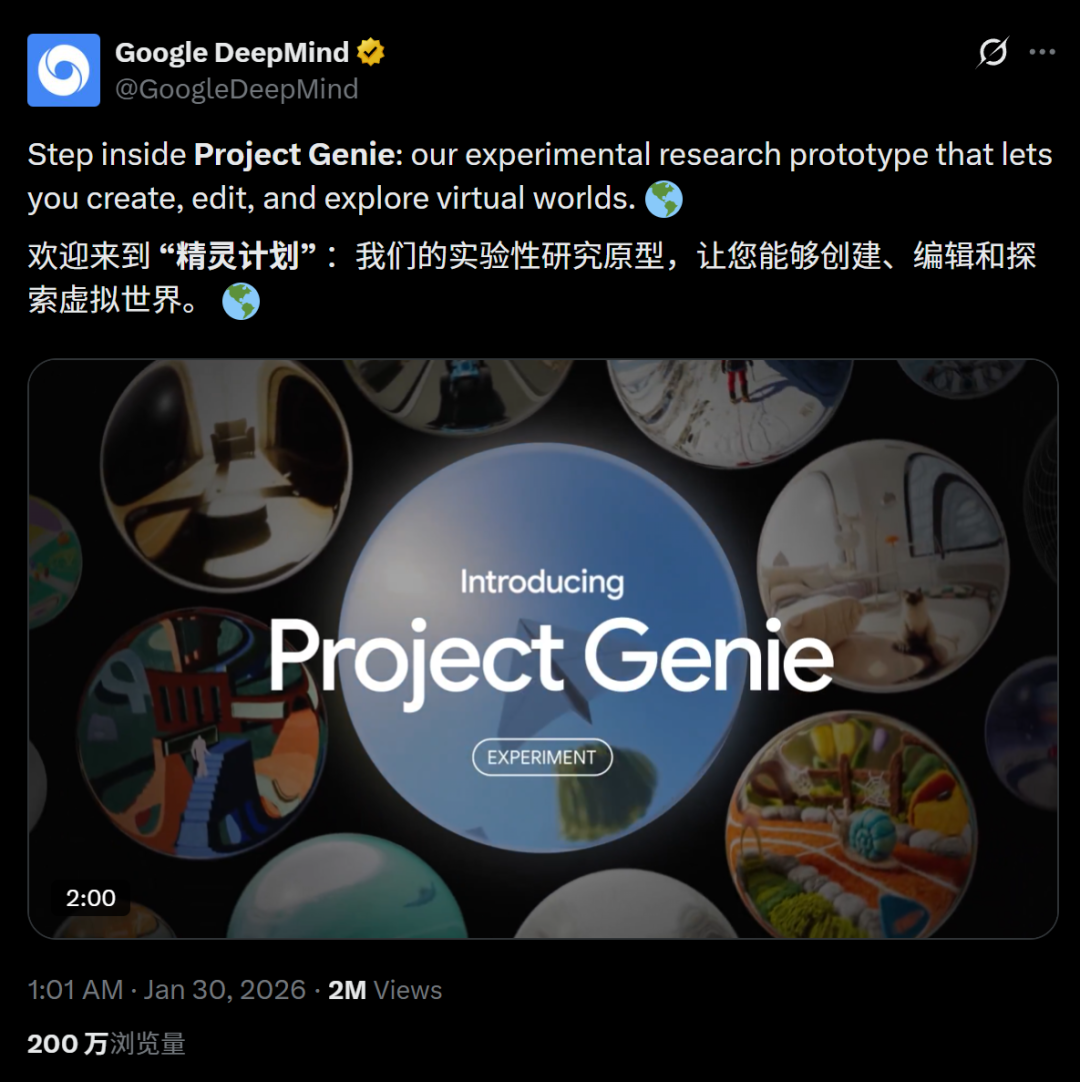
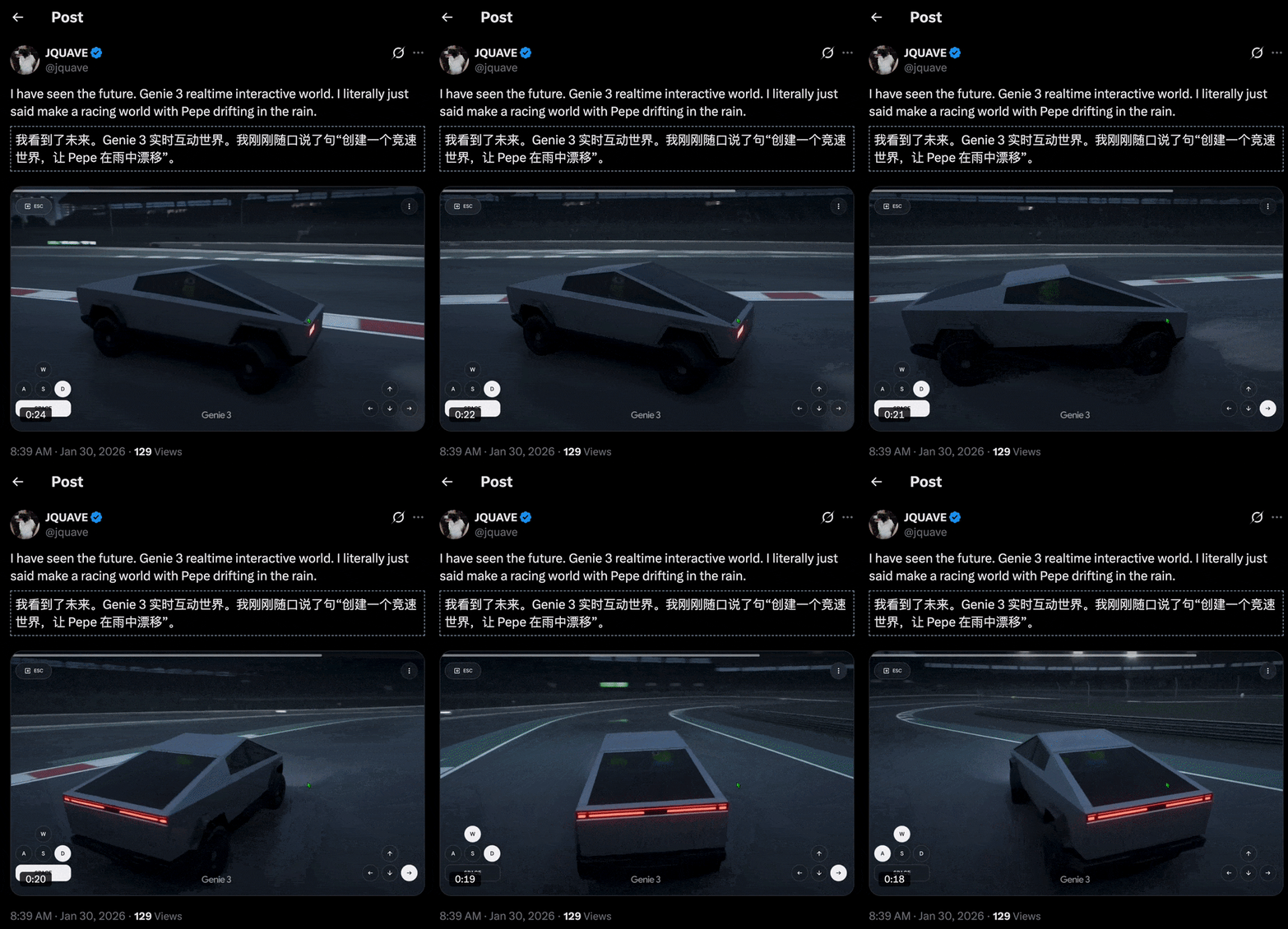
That changed this week. Project Genie officially launched inside Google AI Ultra. Users with access can now create their own worlds in seconds. The model takes a static image or sketch and transforms it into a real-time interactive 3D environment. You can walk around. You can interact with objects. You can change things on the fly.
The system works by combining several advanced AI technologies. At its core Genie 3 is a generative model trained on massive amounts of video game footage real world environments and interactive simulations. It learned the physics of how objects behave. It learned how lighting changes as you move. It learned what makes an environment feel real.
But Genie 3 is not just a static world generator. It creates dynamic environments that respond to user input. Walk forward and the path appears. Turn around and the view changes correctly. Interact with objects and they behave according to real-world physics. This is what makes it a true world model rather than just a fancy image generator.
How the Full Pipeline Works
The complete Genie 3 experience combines three powerful Google AI systems. Each handles a different part of the creation process. Together they form a pipeline that takes you from idea to playable world in minutes.
First comes Nano Banana Pro. This is Google’s image generation model. It creates the initial visual concept from your description. You can also upload your own image or sketch as a starting point. Nano Banana Pro handles the artistic style color palette and overall look of your world.
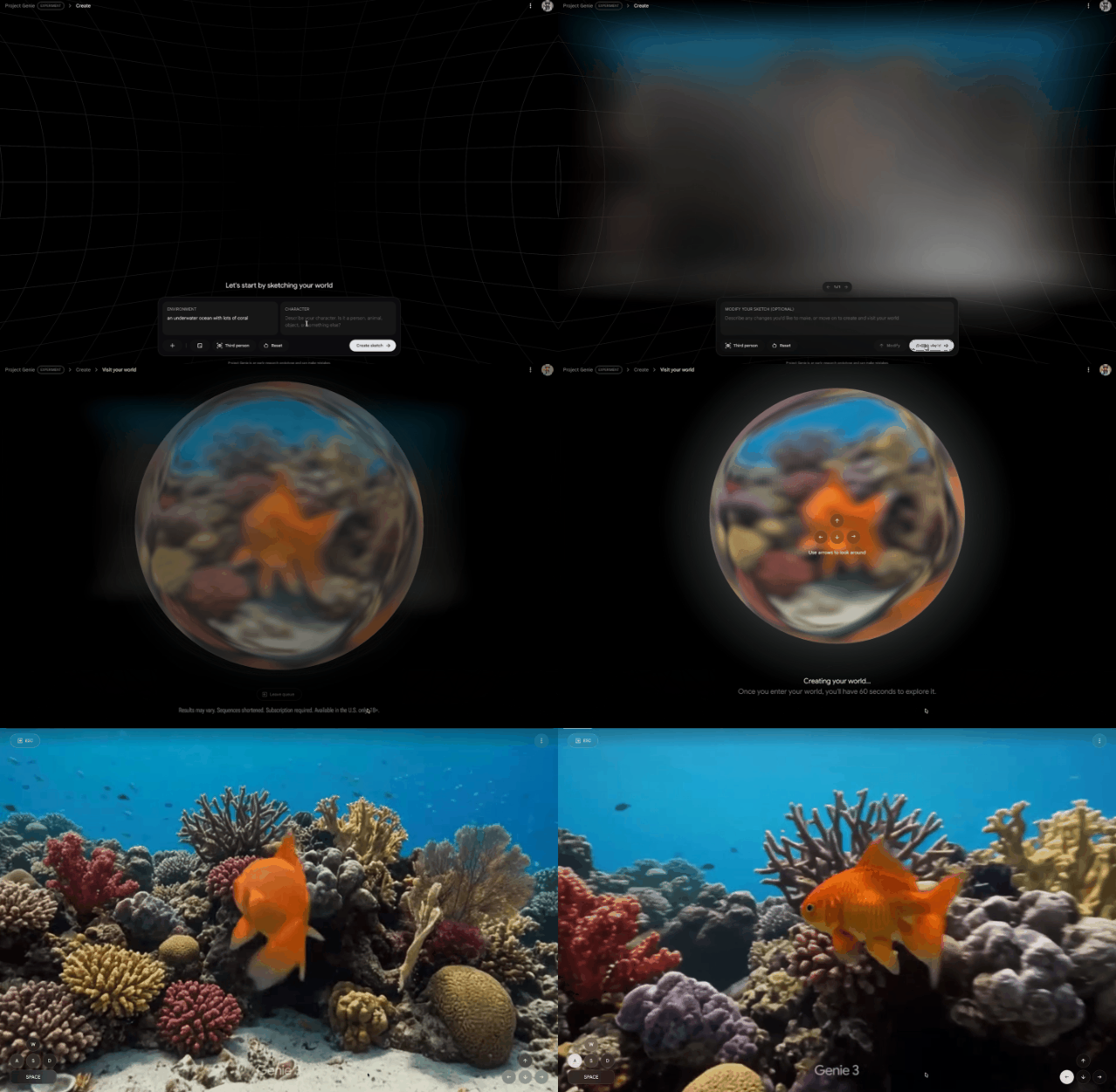
Next Genie 3 itself takes over. The world model transforms the static image into an interactive 3D environment. It adds depth physics and interactivity. It generates the parts of the world that are not visible in the original image. It ensures everything connects logically and behaves consistently.
Finally Gemini provides the intelligence layer. It helps refine your descriptions suggests improvements and can even modify the world based on ongoing conversation. You can tell Gemini to make it darker add more trees or change the architectural style. It understands context and applies changes intelligently.
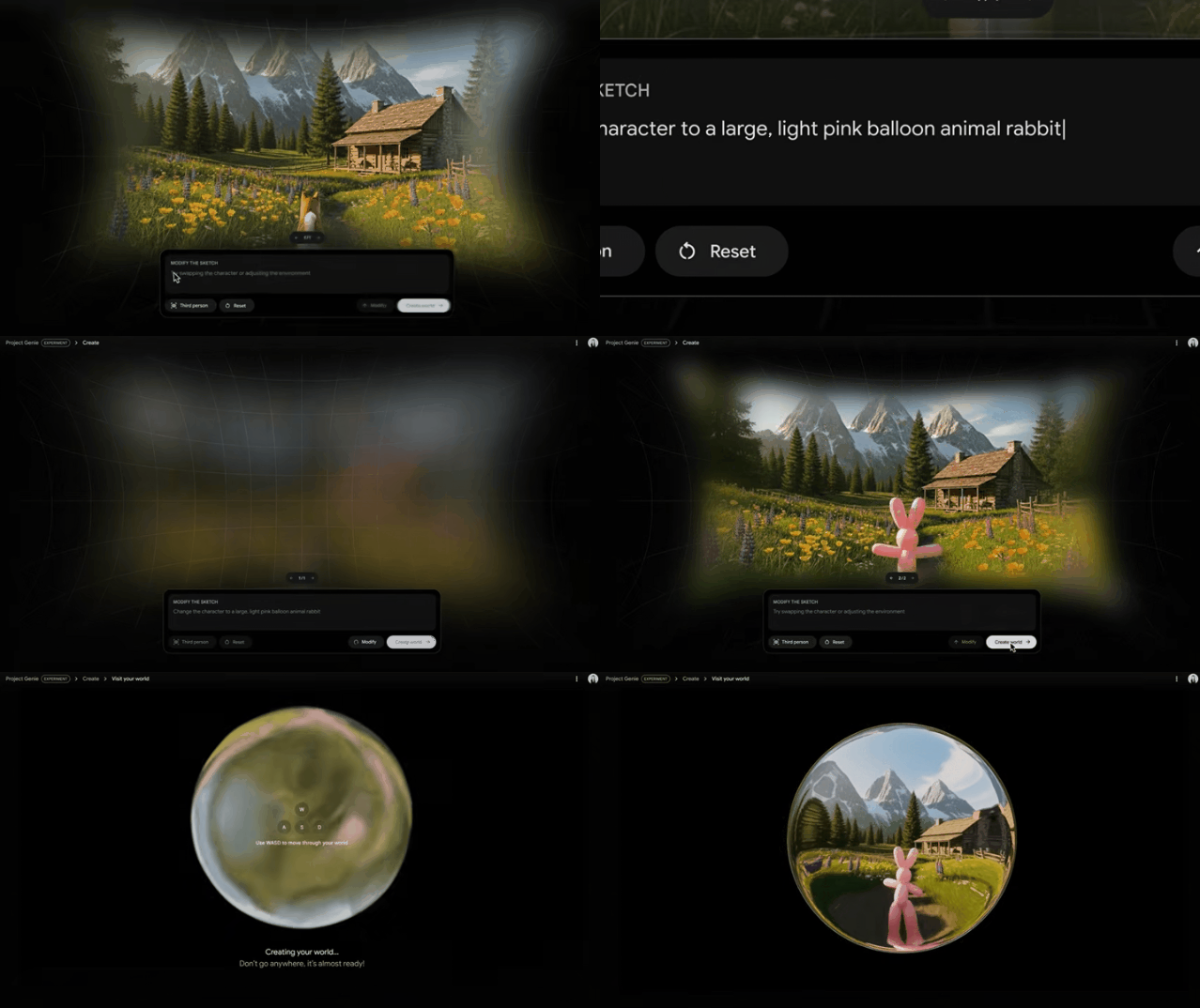
The workflow has three main modes. World sketching lets you draw or describe a scene and see it come to life. World exploration puts you inside the generated environment where you can walk around and interact. World remixing lets you take an existing world and modify it changing colors adding elements or completely transforming the style.
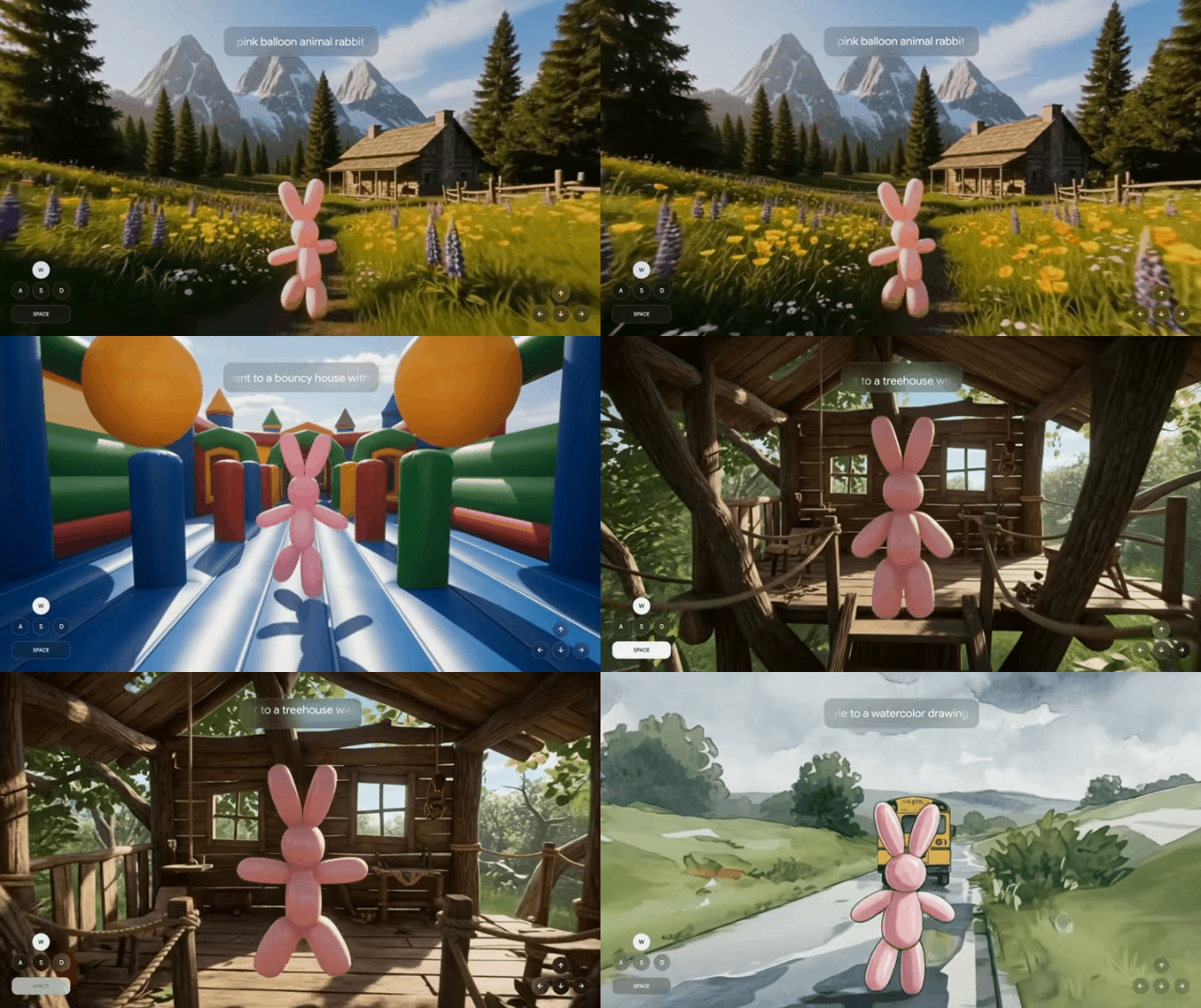
What makes this revolutionary is the first-person perspective. Previous AI world generators created environments you could only view from outside. Genie 3 puts you inside the world. You see through the eyes of a character. You control movement with standard game controls. The experience feels like playing a real video game because technically it is one.
Real User Tests That Stunned Everyone
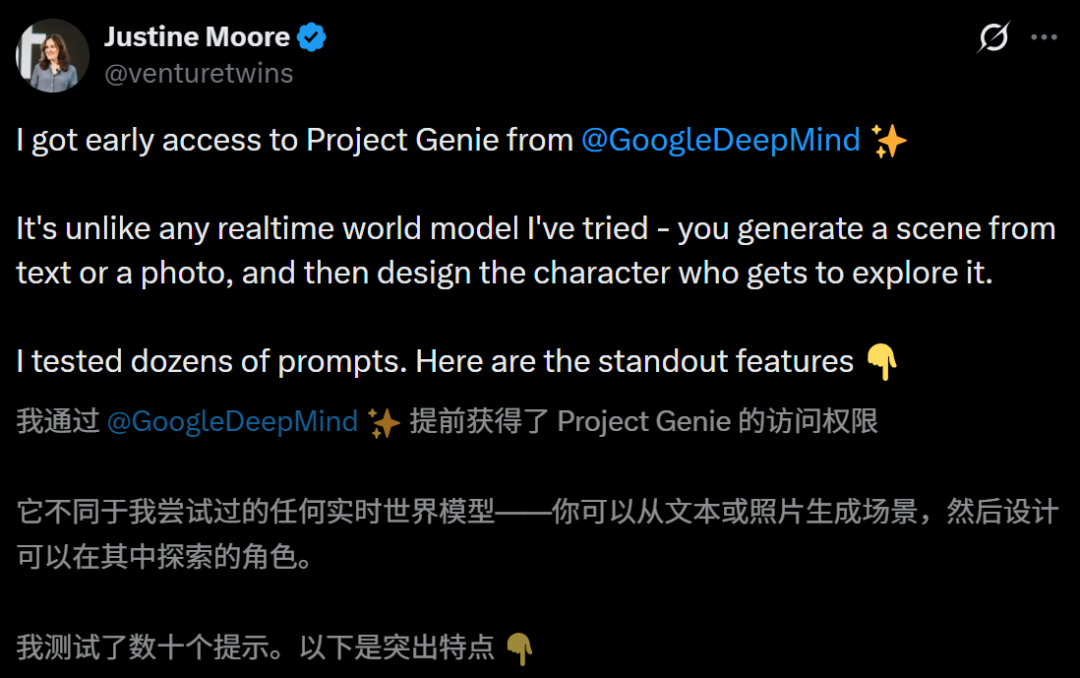
Justine Moore from the venture capital firm a16z got early access to Project Genie. She spent hours testing its capabilities and shared her findings on social media. Her experiments revealed just how powerful this technology has become.
In one test Moore uploaded a photo of a person and asked Genie 3 to create a world around it. The model generated a complete environment where that person became a character. The character could move around interact with objects and explore the surroundings. The visual style matched the original photo creating a consistent aesthetic.
In another experiment she created a world from a simple sketch. The drawing showed basic shapes and lines. Genie 3 interpreted these as buildings streets and landscape features. It filled in the details added textures and created a fully explorable city. What started as a doodle became a virtual world.
Moore also tested the model’s consistency. She created a world entered it walked around and then asked the system to modify specific elements. The model remembered the world’s layout and updated only the requested parts. This persistent memory is crucial for creating games where player actions have lasting consequences.
Perhaps the most impressive demo involved creating a world from a photo of a Dunkin Donuts employee. The model built an entire environment around this character complete with the store interior coffee nsfw ai art generator machines and customers. The character could walk around serve customers and interact with the environment. It was like stepping into a photo and finding a whole world inside.
free ai nsfw

The Cat Demo That Shows True Understanding
Google DeepMind researchers demonstrated something that reveals the depth of Genie 3’s capabilities. They showed the model a single picture of a cat. Not a game scene. Not an environment. Just a cat sitting on a surface.
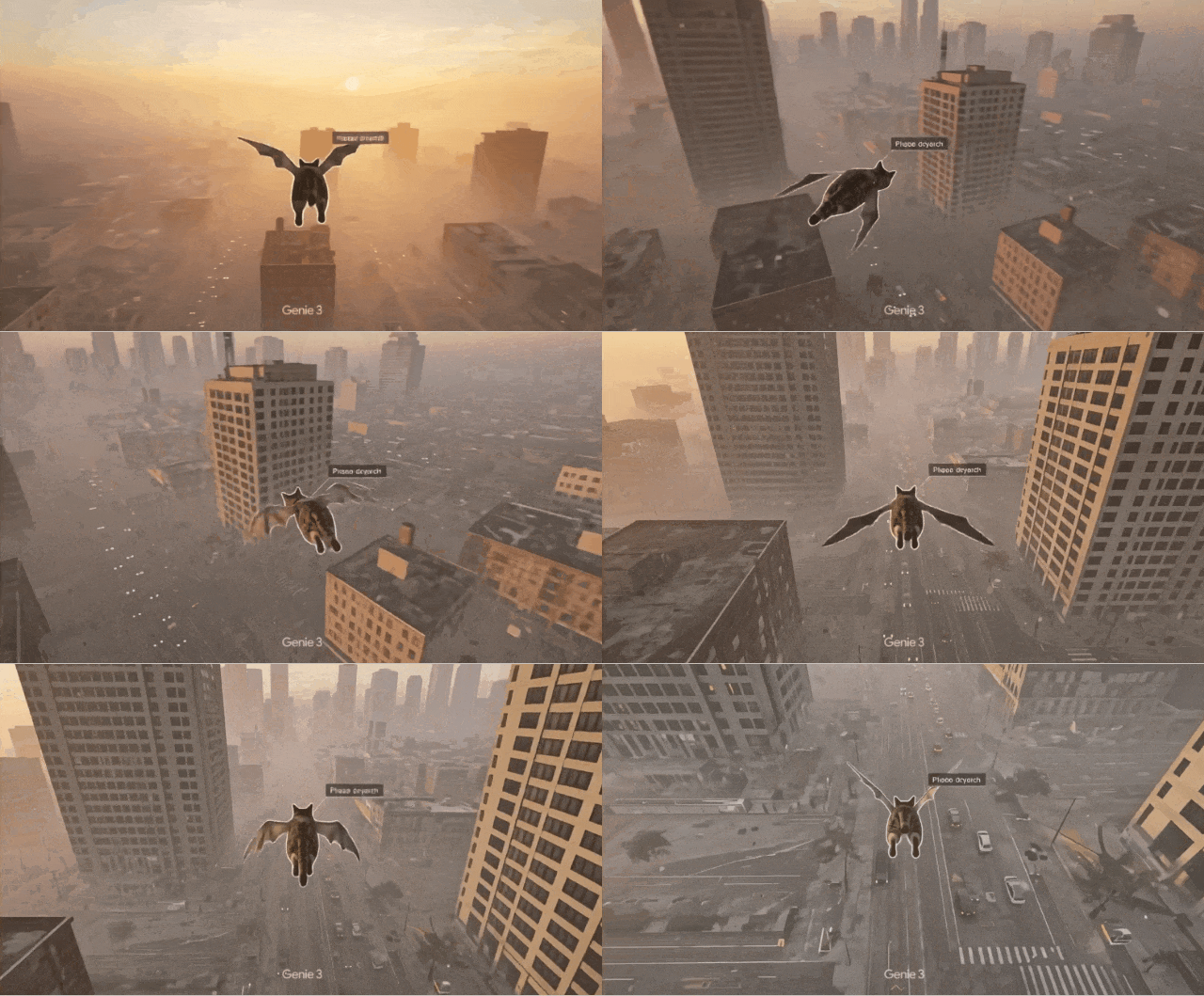
Then they used Genie 3 to create an interactive world around this cat. The model generated a complete environment where the cat could move around. When the cat walked the background changed correctly. The lighting adjusted. Shadows moved. The perspective shifted exactly as it would in a real video game.
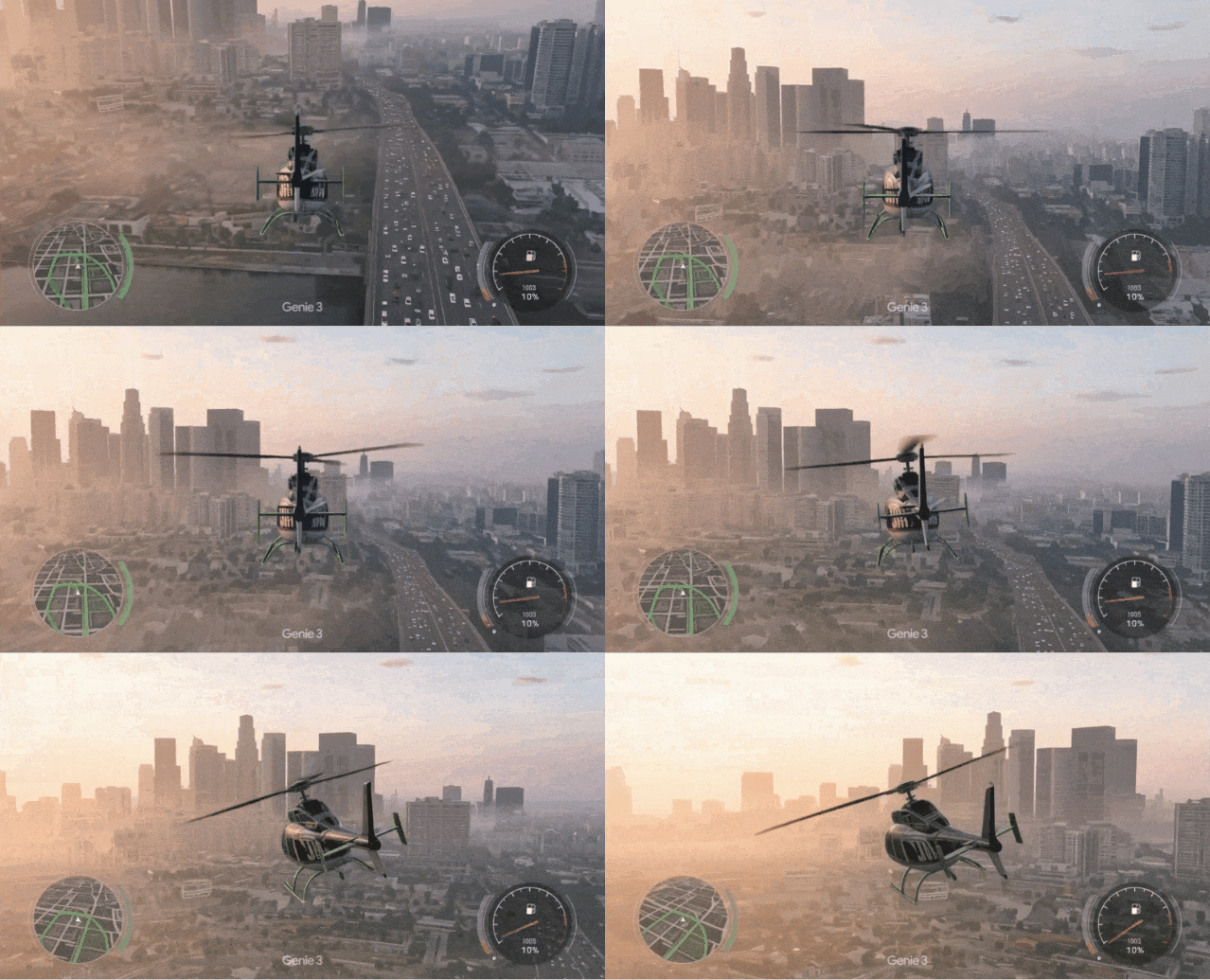
What makes this special is the model’s understanding of physical space. It knows that when a cat moves forward the background should scroll backward. It knows that objects closer to the camera should move faster than distant ones. It knows how light falls on fur from different angles. This is not just image generation. It is spatial reasoning.
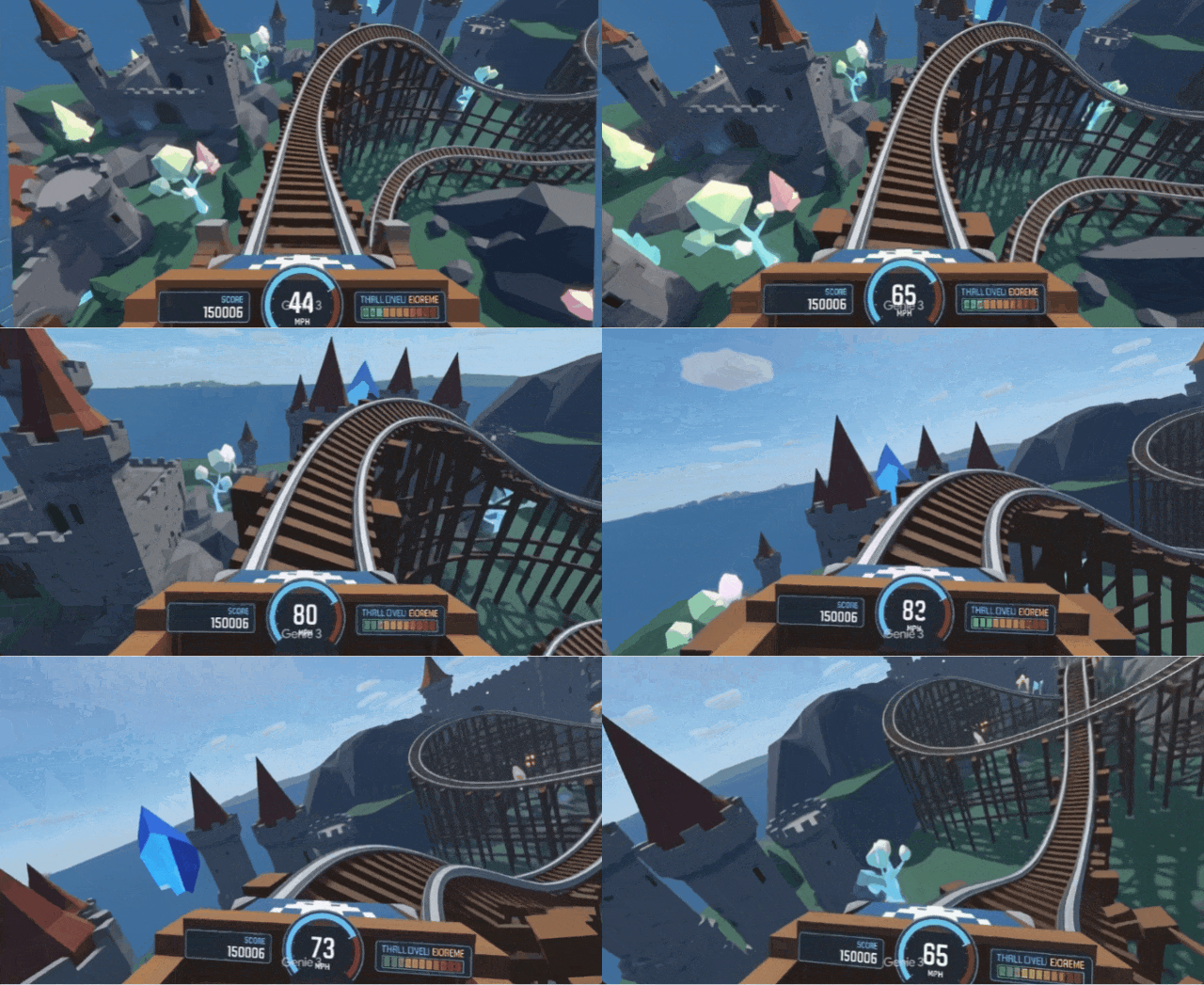
Using a single prompt the researchers could make the cat drive a car. The model generated a vehicle interior from the cat’s perspective. The steering wheel moved. The scenery outside the windows scrolled past. The cat appeared to be actually driving. This level of creative generation from minimal input shows how far the technology has come.
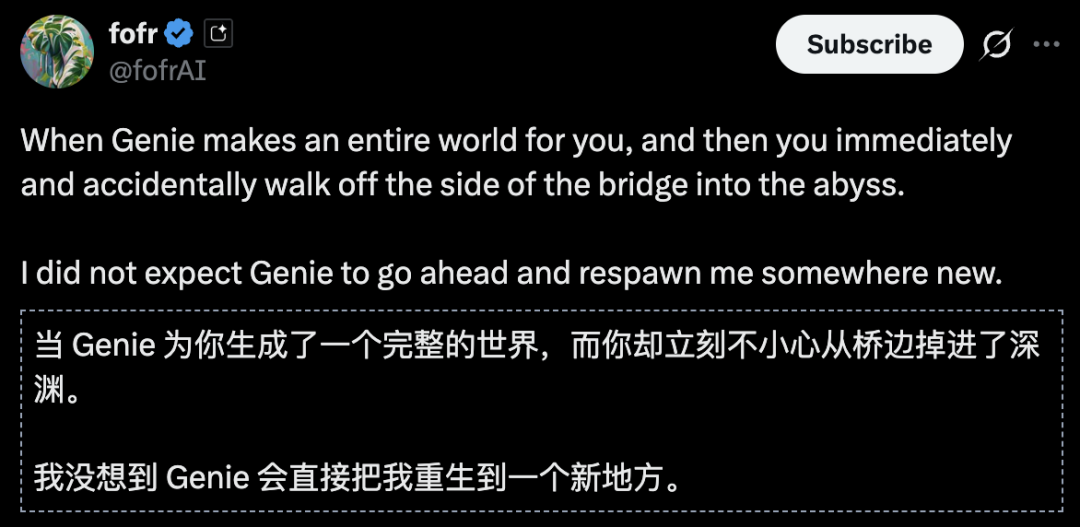
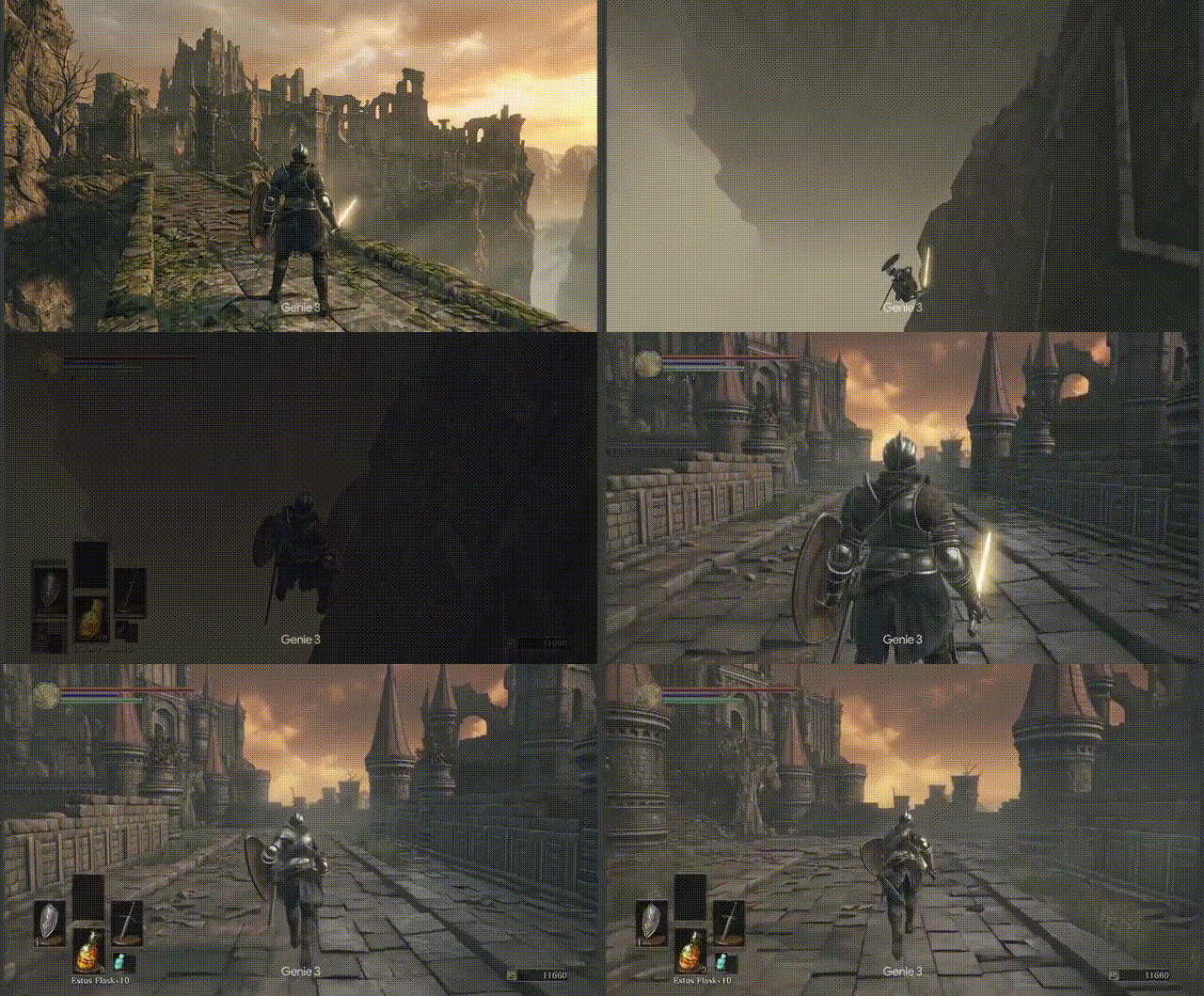
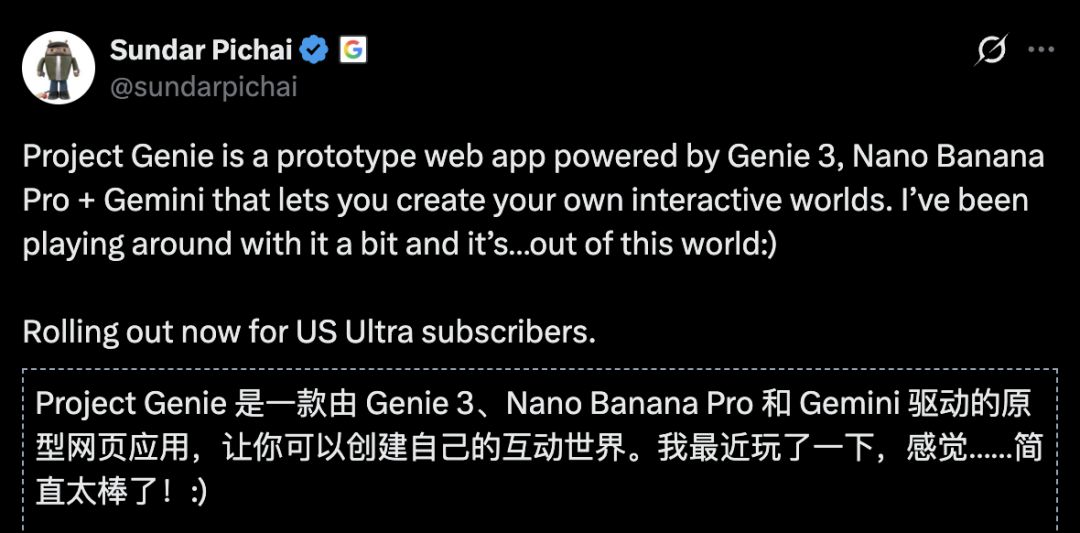
Google CEO Sundar Pichai saw the demo and was visibly impressed. He shared it on social media with a simple comment that said it all. The technology is moving faster than anyone expected.
Is This the End of Traditional Game Development
The gaming community has reacted with a mixture of excitement and anxiety. Some see Genie 3 as a tool that will democratize game creation. Others worry it could disrupt the entire industry. Both perspectives have merit.
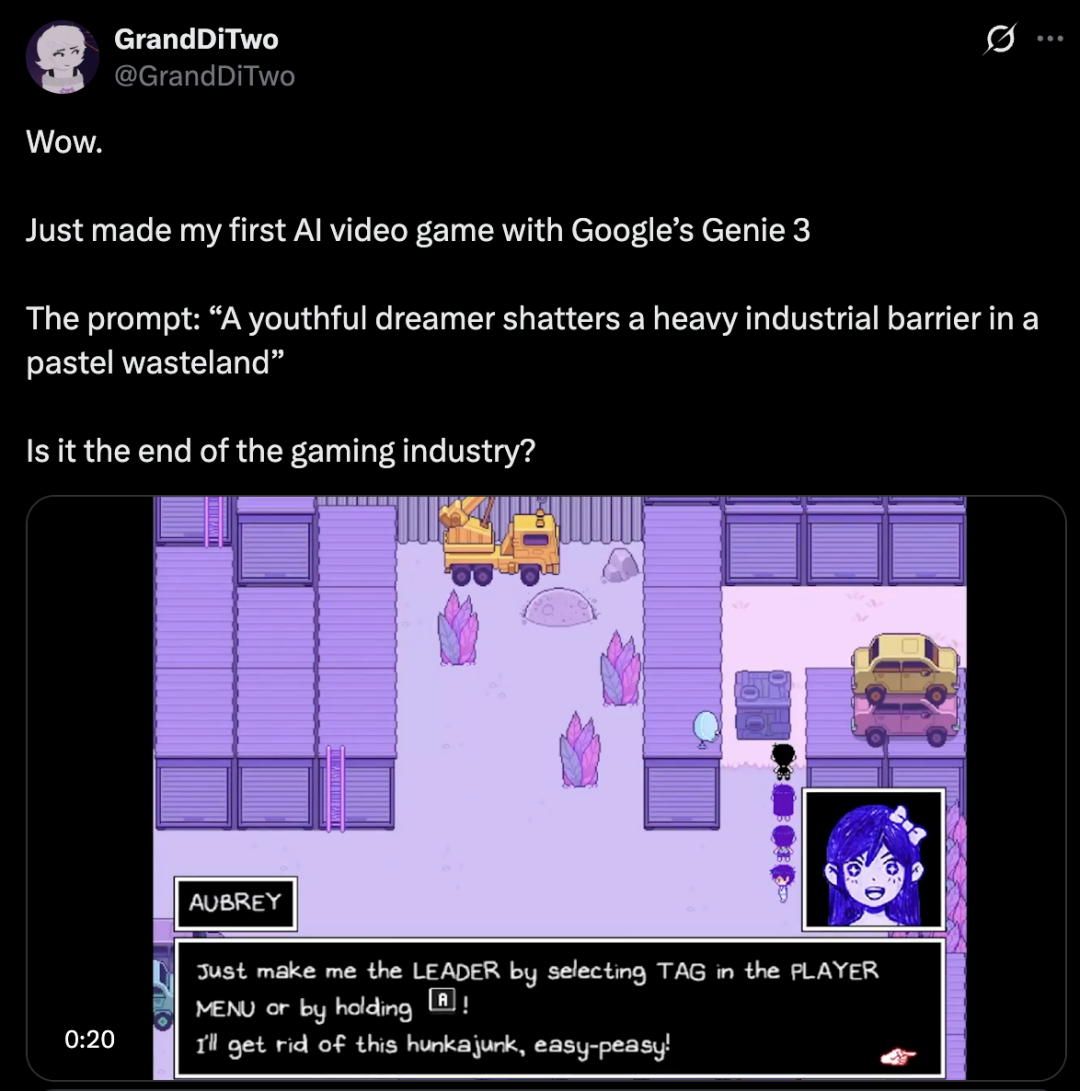
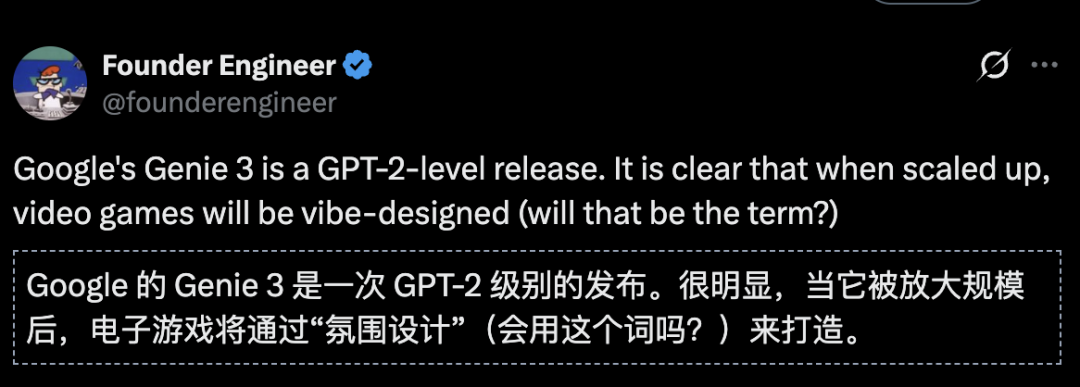
Let us be clear about what Genie 3 currently is. Google describes it as being at the GPT-2 stage of world models. That means it is impressive but still early. The generated worlds have limitations. They are not as detailed as professionally crafted games. The physics can be quirky. The interactions are simple compared to modern video games.
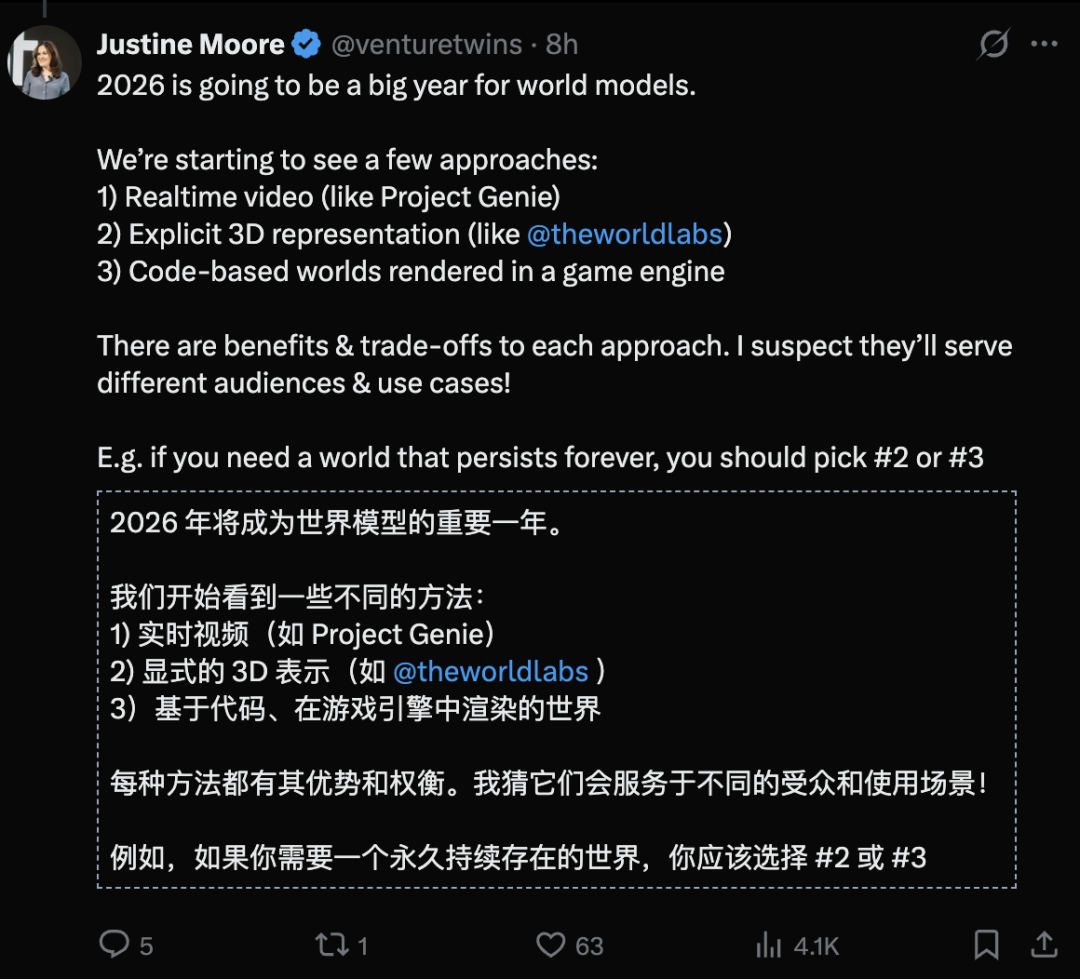
But the trajectory is what matters. GPT-2 was released in 2019. Within a few years we had GPT-4. If world models follow a similar progression Genie 4 or Genie 5 could produce environments that rival current video games. Some experts predict this could happen as soon as 2026.

Consider what this means for game developers. Small indie studios could create vast open worlds without massive art teams. Game designers could prototype ideas in hours instead of months. Players could generate their own custom levels and share them with friends. The barrier between player and creator could disappear entirely.
But there are also concerns. What happens to the artists designers and programmers who currently build these worlds? If AI can generate environments from photos what happens to the people who spent years learning to create them manually? These are real questions that the industry will need to address.
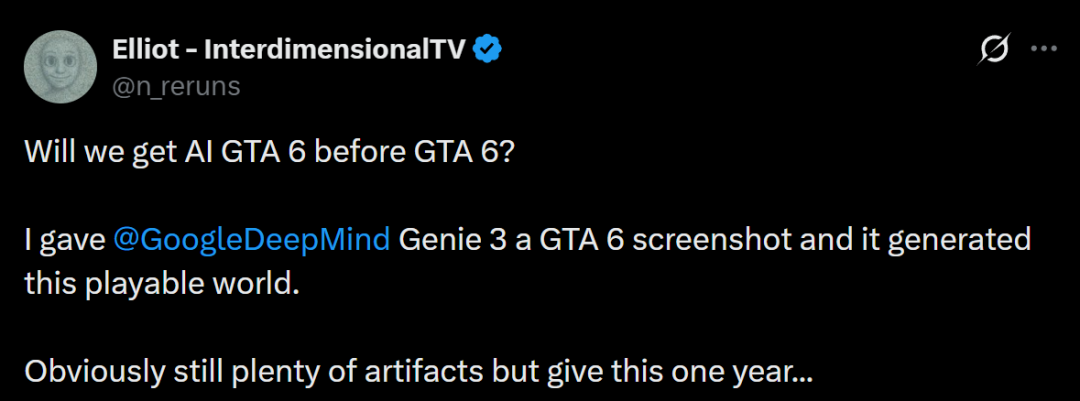
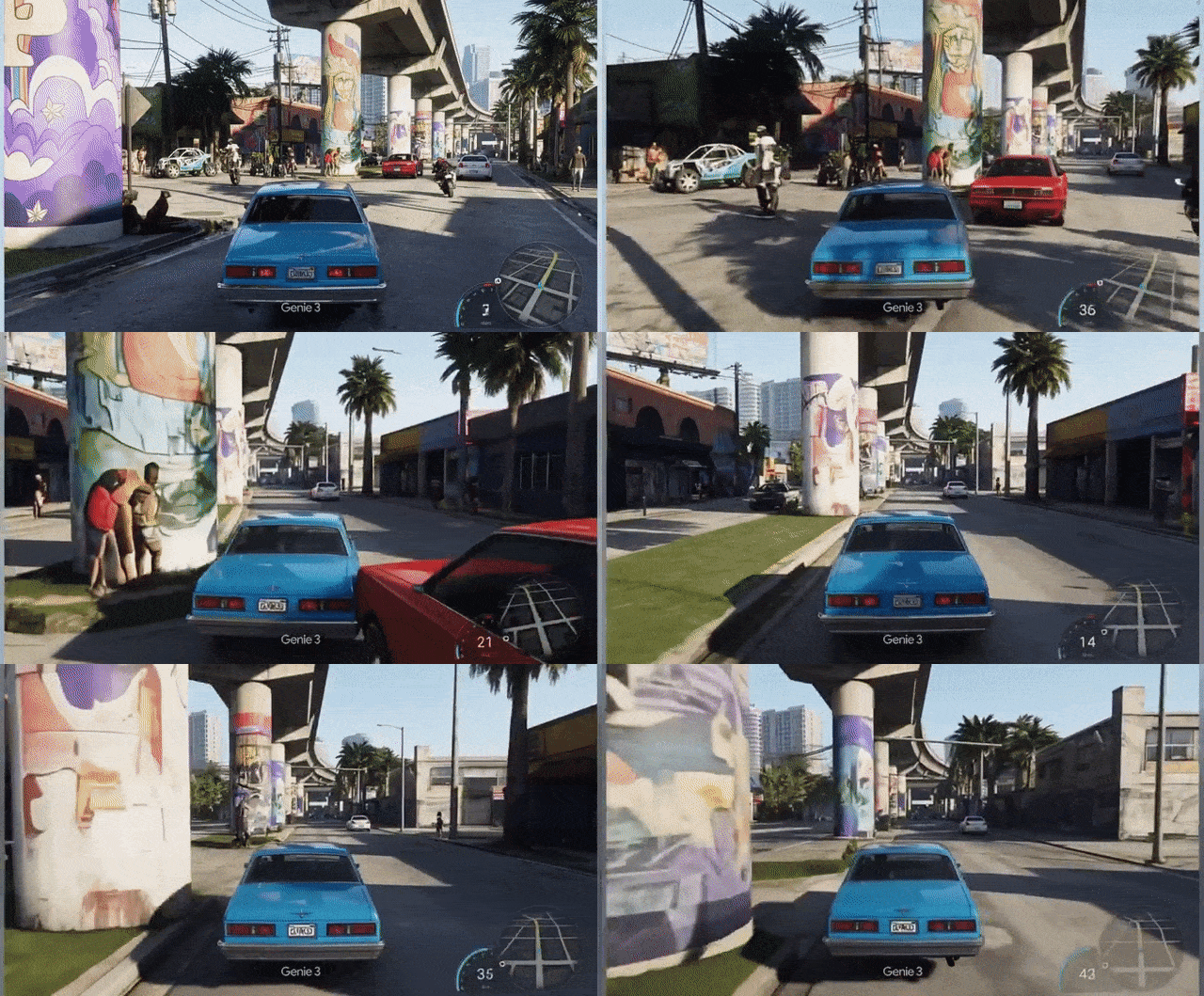
Real Games People Are Already Creating
Despite being in early access users have already created remarkable experiences with Genie 3. These are not just tech demos. They are actual playable games and interactive experiences.
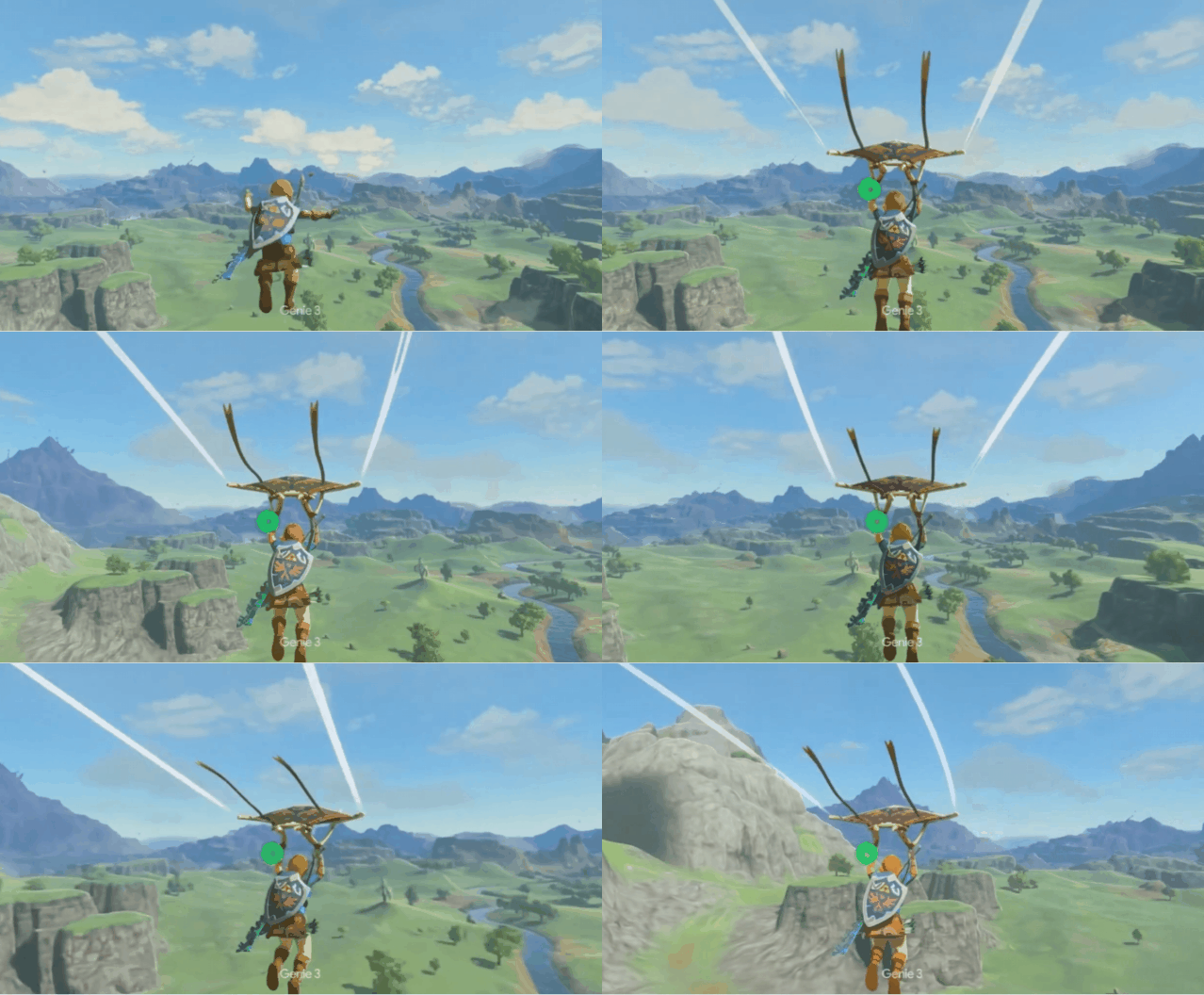
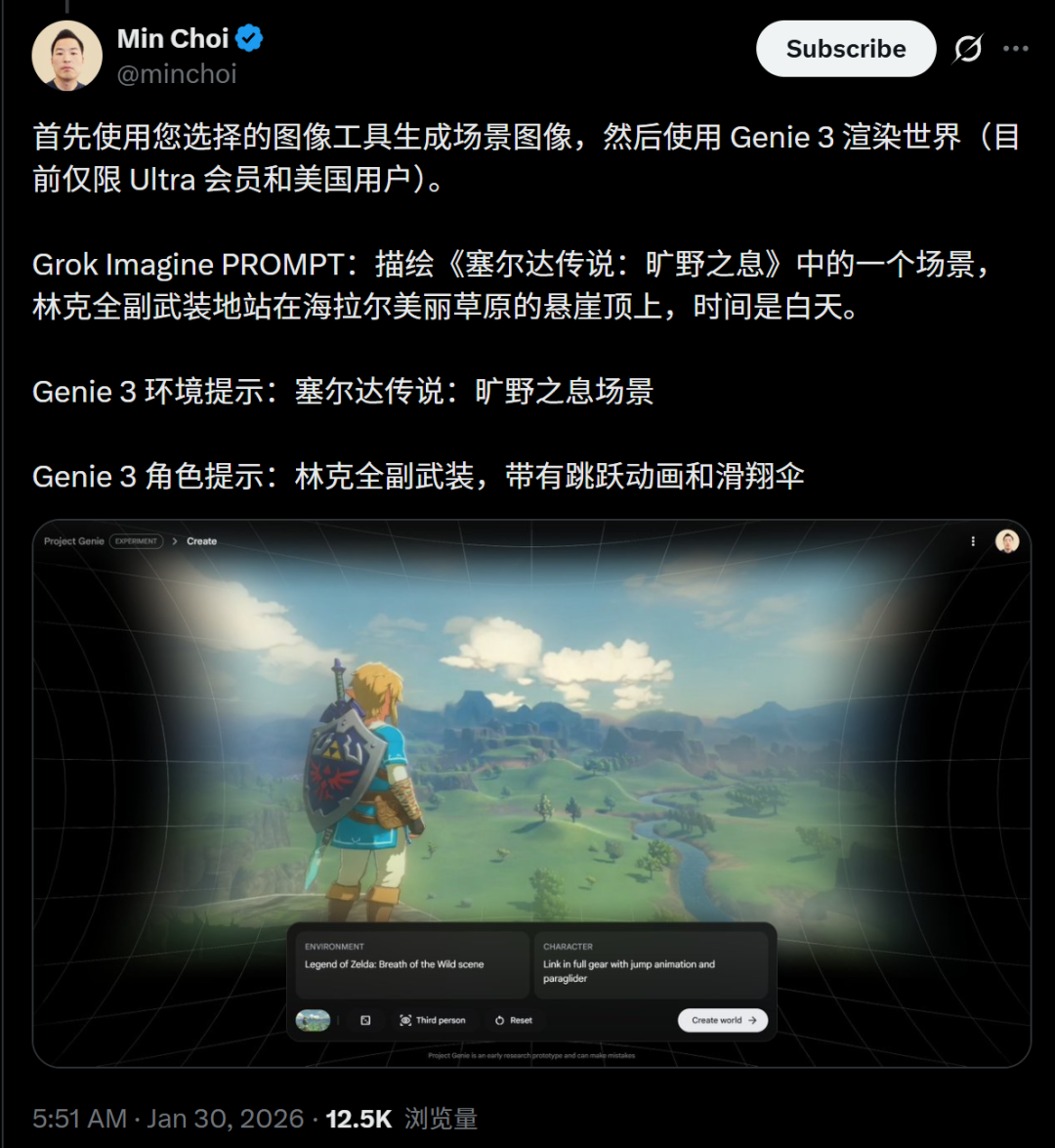
One user created a complete Legend of Zelda style adventure. They started with a sketch of a fantasy landscape. Genie 3 generated the world complete with forests mountains and dungeons. The user added characters and quests through simple text descriptions. The result was a fully explorable action adventure game that looked and felt like a classic Nintendo title.

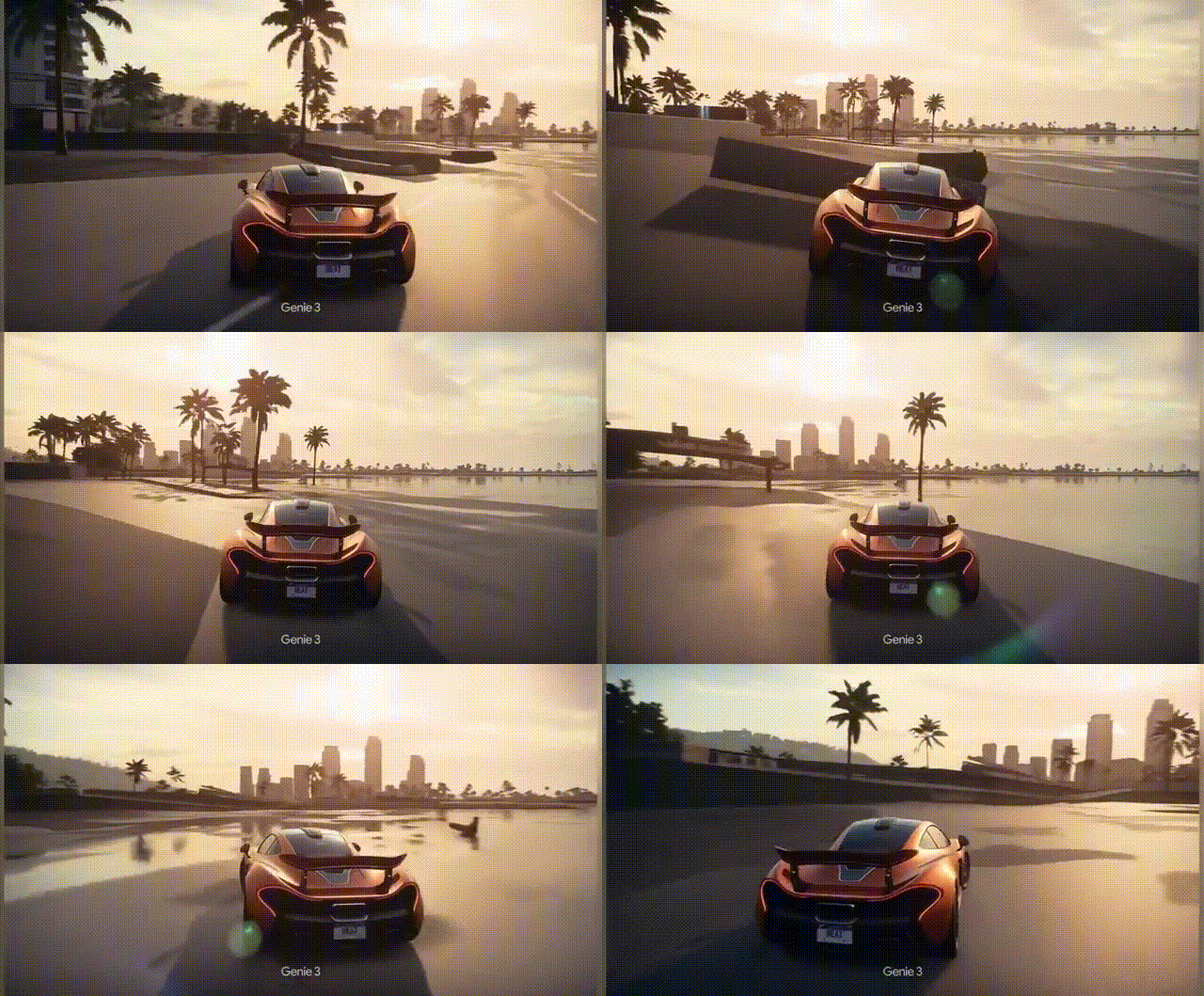
Another user generated a complete open world RPG. They uploaded photos of real locations and asked Genie 3 to create a fantasy version of each place. The model transformed a city park into an enchanted forest. It turned a coffee shop into a medieval tavern. It converted a beach into a pirate cove. All these locations connected into a single coherent world.
Ethan Mollick from the Wharton School tested Genie 3 with a creative challenge. He asked the model to generate a world based on a simple concept. A person wearing a shrimp costume visits a space station. The result was bizarre and wonderful. The model created a fully realized space environment with the shrimp character exploring corridors interacting with equipment and floating in zero gravity. The physics were accurate. The lighting was dramatic. The whole thing felt like a scene from an indie game.

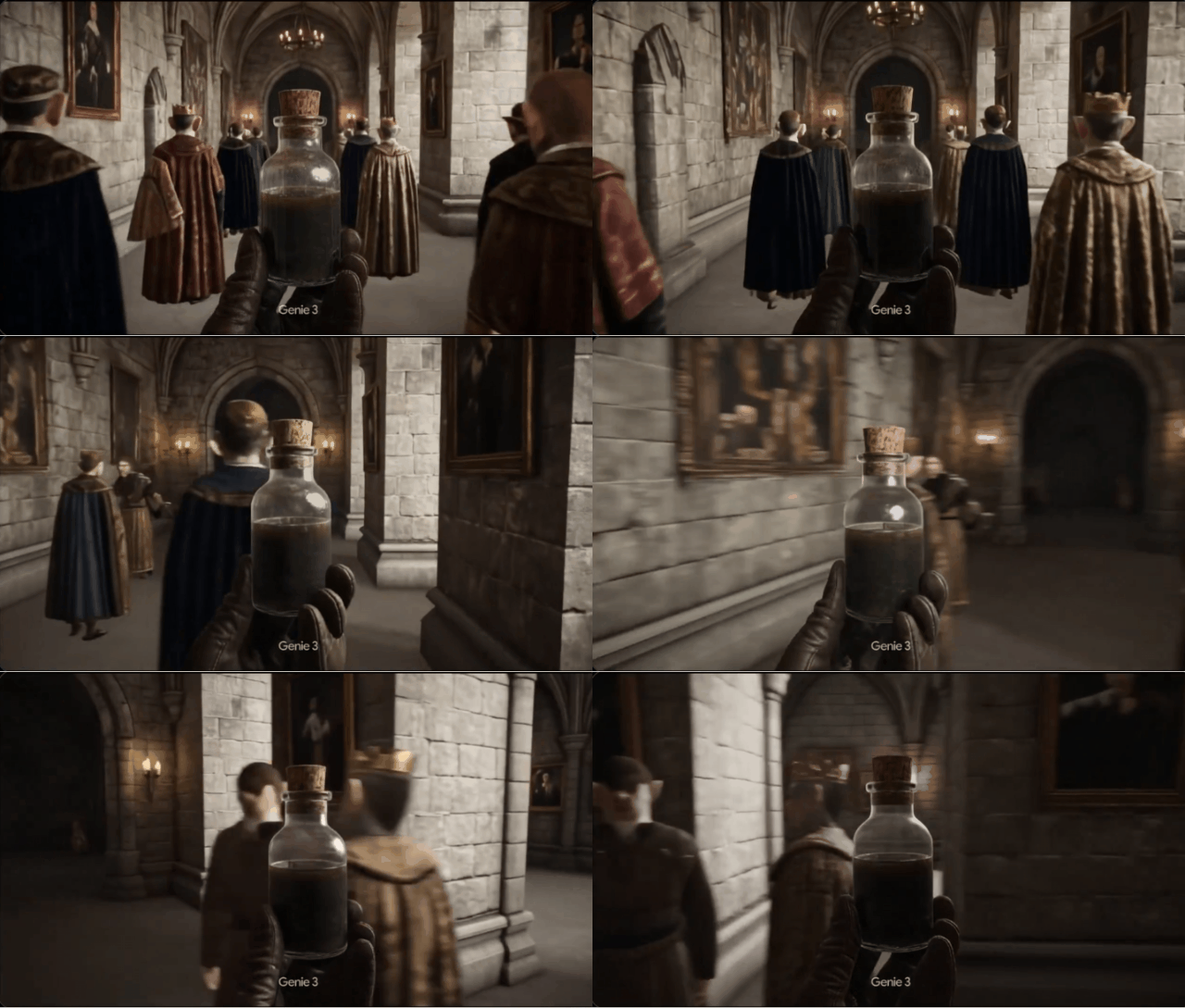
Perhaps the most impressive user creation was a complete survival horror game. The creator started with a photo of a dark alley. Genie 3 generated an entire haunted city from this single image. The creator added gameplay elements through text prompts. Monsters appeared in shadows. Doors creaked open. Lights flickered. The result was genuinely scary and completely playable.
The Technology Behind the Magic
Genie 3 is built on a transformer architecture similar to large language models. But instead of predicting text it predicts video frames. The model learns patterns from millions of hours of gameplay footage and real-world video. It understands how scenes change when you move through them.
The key innovation is what Google calls a latent action model. This compresses possible player actions into a compact representation. When you press a button or move your mouse the model knows how the world should respond. It generates the next frame based on your input while maintaining consistency with everything that came before.
Another crucial component is the video tokenizer. This converts raw video into compressed tokens that the model can process efficiently. It is similar to how language models use word tokens but for visual content. The tokenizer preserves important details while removing redundant information.
The model also uses a technique called masked training. During training the model sees partial sequences and must predict what comes next. This forces it to learn robust representations that work even with incomplete information. It is why Genie 3 can generate coherent worlds from single images. The model fills in missing information based on what it learned during training.
What Comes Next for World Models
Google has been clear that Genie 3 is just the beginning. The company is already working on Genie 4 which promises significant improvements. Based on the current trajectory we can expect several developments in the near future.
Higher resolution worlds are coming. Current Genie 3 outputs are impressive but limited in detail. Future versions will support higher resolutions more complex geometry and richer textures. The gap between AI-generated worlds and hand-crafted games will narrow rapidly.
Longer coherent experiences will become possible. Right now Genie 3 works best for contained environments. As the models improve they will support larger worlds with more persistent state. Players will be able to explore for hours without encountering repetition or inconsistency.
Better physics and interactivity are on the roadmap. Current worlds have basic physics. Future versions will support complex interactions between objects realistic fluid simulation and accurate destruction. The worlds will feel more alive and responsive.
Multiplayer support will eventually arrive. Right now Genie 3 generates single-player experiences. But there is no technical reason why multiple players could not explore the same AI-generated world together. This would open up entirely new categories of social experiences.
Integration with traditional game engines will likely happen. Imagine using Genie 3 to generate worlds and then importing them into Unity or Unreal Engine for further refinement. This hybrid workflow could combine the speed of AI generation with the control of manual editing.
The Bottom Line
Genie 3 is not going to replace professional game developers tomorrow. The technology is too new and too limited for that. But it represents a fundamental shift in how interactive worlds can be created.
For the first time anyone can create a playable 3D world from a photo or sketch. You do not need to know how to code. You do not need art skills. You do not need a team or a budget. You just need an idea and the ability to describe it.
This democratization of world creation will have profound effects. New types of games will emerge that were not economically viable before. Educational experiences will become more immersive. Virtual tourism will let people explore places that do not exist. The line between creator and player will blur.
The gaming industry should pay close attention. Companies that embrace this technology early will have advantages. Those that ignore it risk being disrupted by small teams or even individual creators who can now build worlds that rival professional productions.
Google has opened the door to a new era of interactive entertainment. Genie 3 is just the first step. What comes next will be even more impressive. The question is not whether AI-generated worlds will transform gaming. The question is how quickly it will happen and who will lead the way.
About the Author: This article covers the public launch of Google Genie 3 world model in 2026. The demonstrations and user experiences described were shared during the initial public access period.