
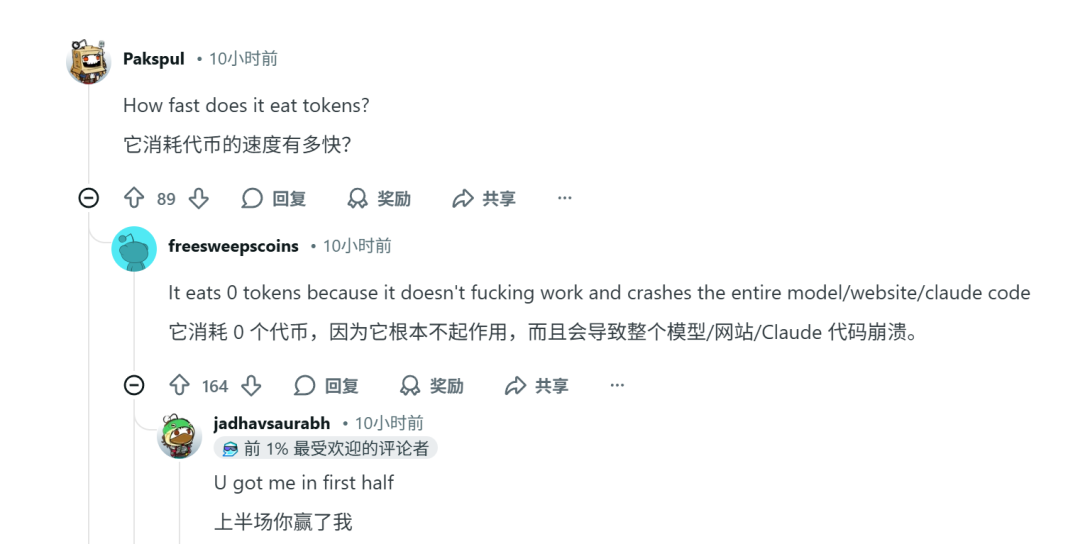
Claude went down hard. Again. And this time, developers around the world are not just annoyed. They are furious.
On April 6, Anthropic pushed a new update to Claude Code. Within hours, the system collapsed. Logins failed. Conversations disappeared. API requests returned nothing but error messages. And behind the scenes, a new feature called Ultraplan was eating tokens so fast that some users burned through their monthly limits in a single afternoon.
This was not a minor hiccup. It was a full system meltdown. And it exposed a pattern that developers have been warning about for months. Anthropic is shipping features too fast. Testing too little. And leaving paying customers to deal with the mess.
What Went Wrong
The trouble started with Claude Code version 2.1.92. Anthropic shipped a new feature called Ultraplan. The idea sounded great. Instead of executing tasks step by step, Claude would create a detailed plan first. Then it would follow that plan to completion.
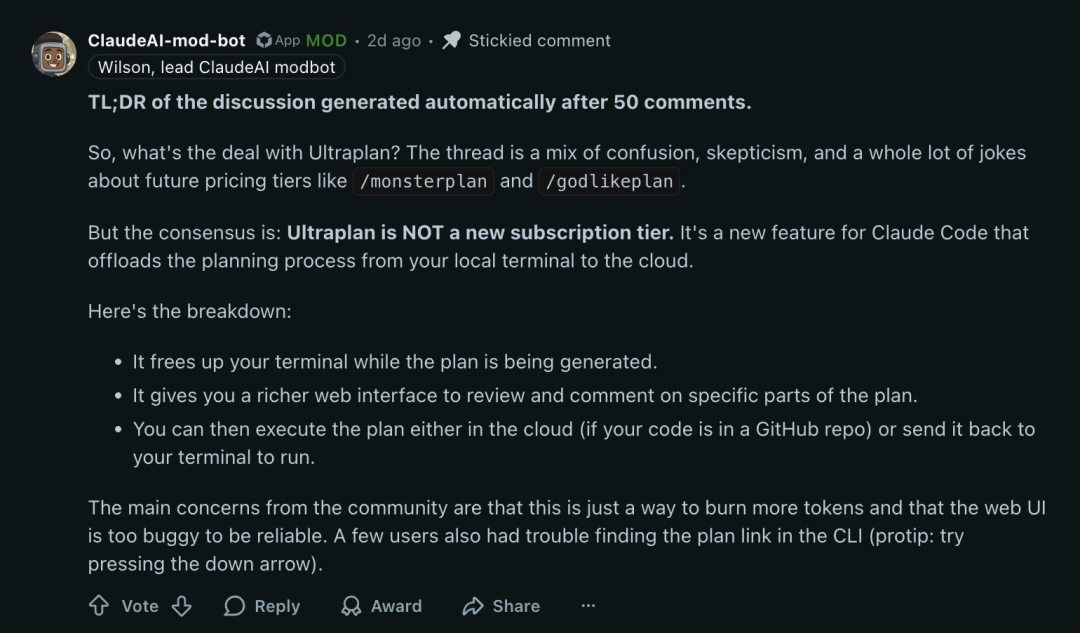
During the planning phase, Claude would build a rich web interface where users could see every branch, every decision point, and every subtask. You could choose to execute the plan in the cloud, save it to a GitHub repository, or run it locally on your machine.
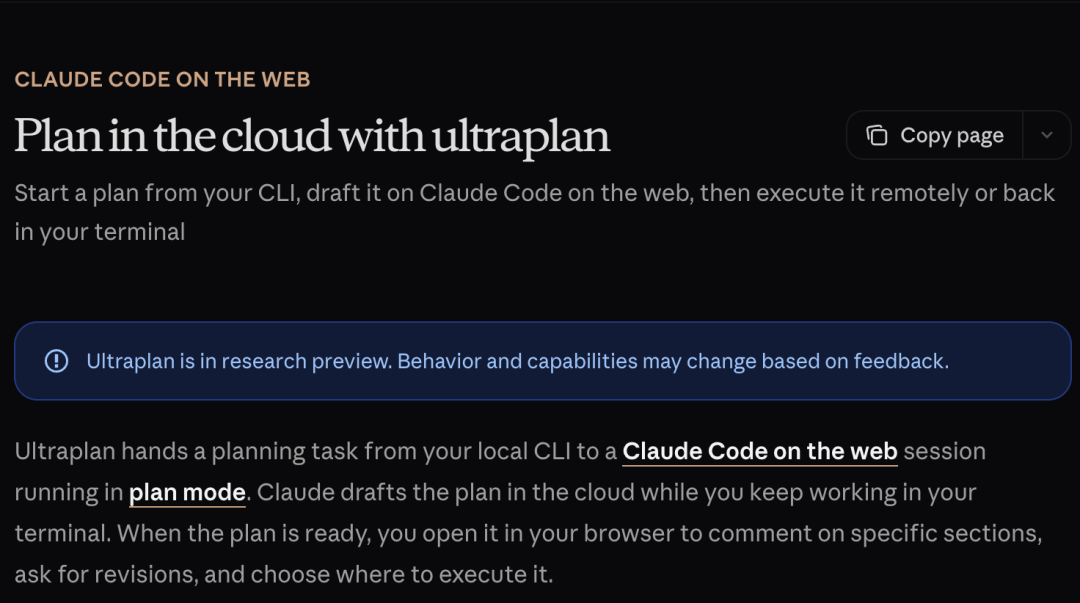
On paper, this was a major upgrade. AI would no longer just react to prompts. It would plan like a project manager, execute like an engineer, and report back like a team lead.
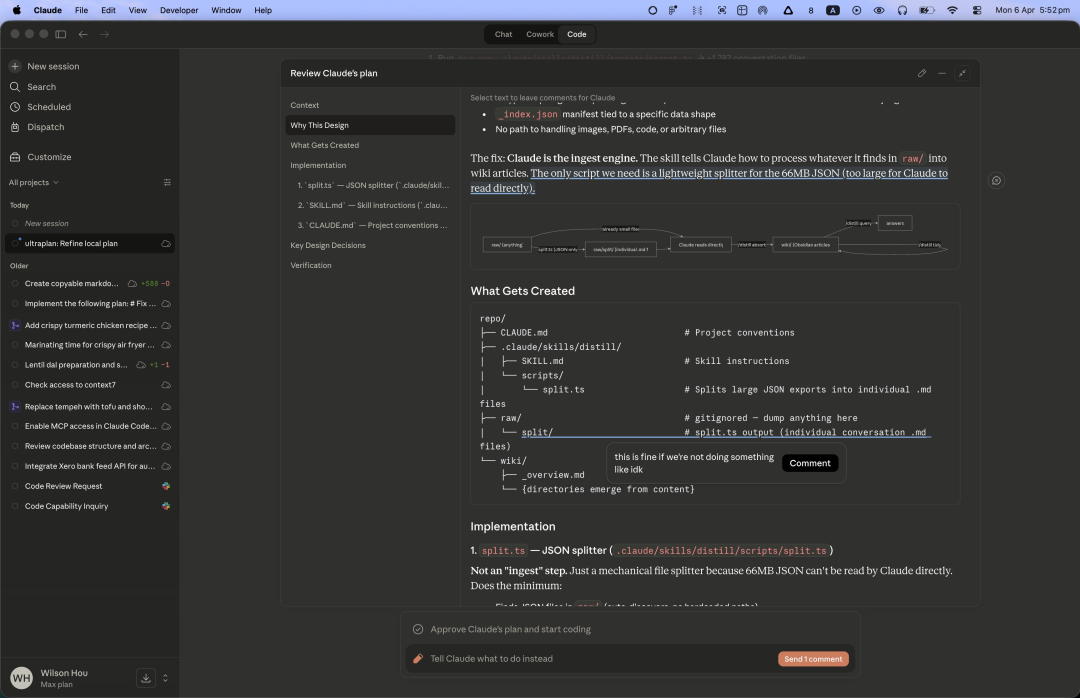
In reality, it was a disaster.
Ultraplan Became Ultralogin
Users quickly discovered that Ultraplan had a fatal flaw. The planning process itself consumed enormous amounts of tokens. Every time Claude built a plan, it sent massive context windows back and forth. The result? Users who normally used a few thousand tokens per session were suddenly burning through hundreds of thousands.
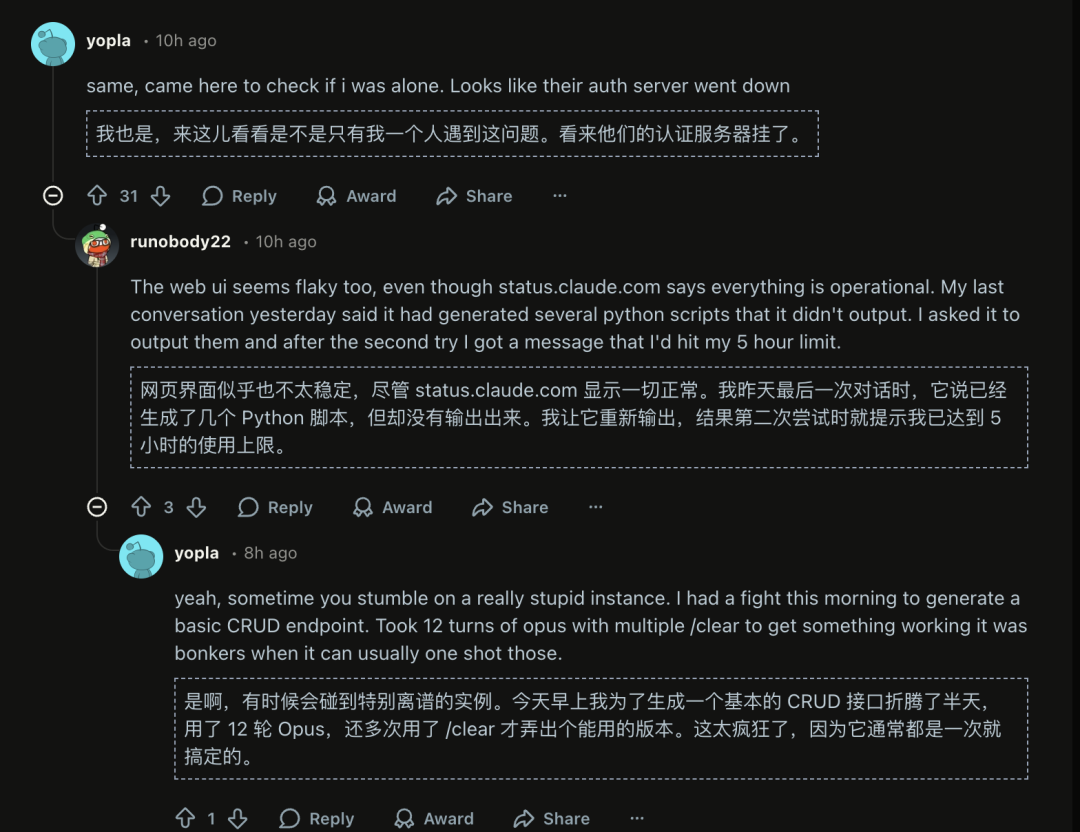
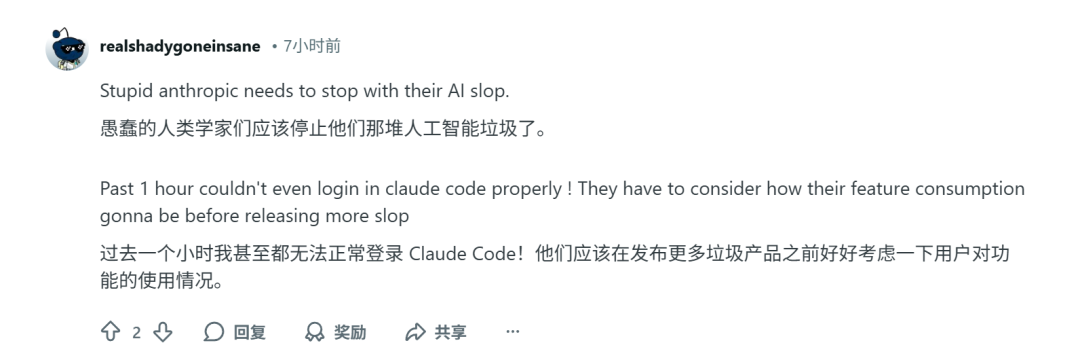
Developers on Reddit had a field day. They renamed Ultraplan to Ultralogin because the only thing it reliably did was force users to log in again and again. Others called it OnlyPlans because Claude would happily generate beautiful plans but fail to execute them.
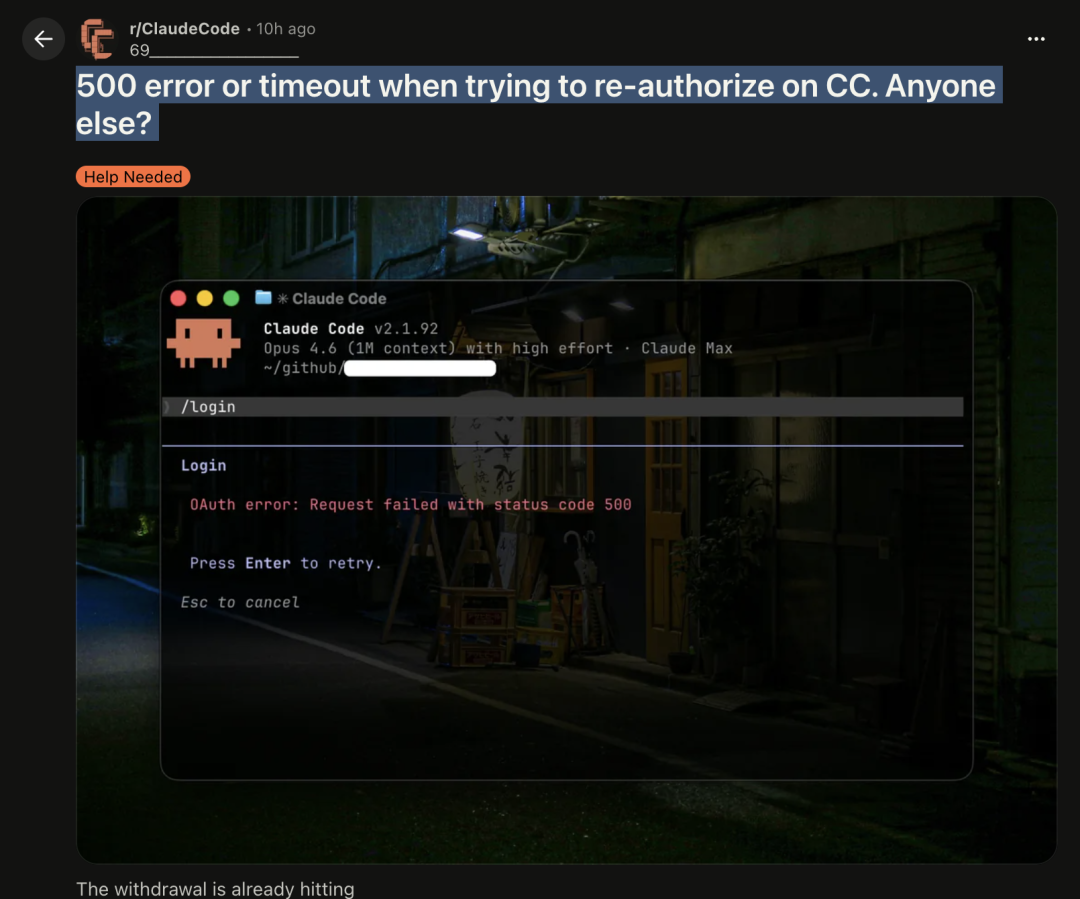
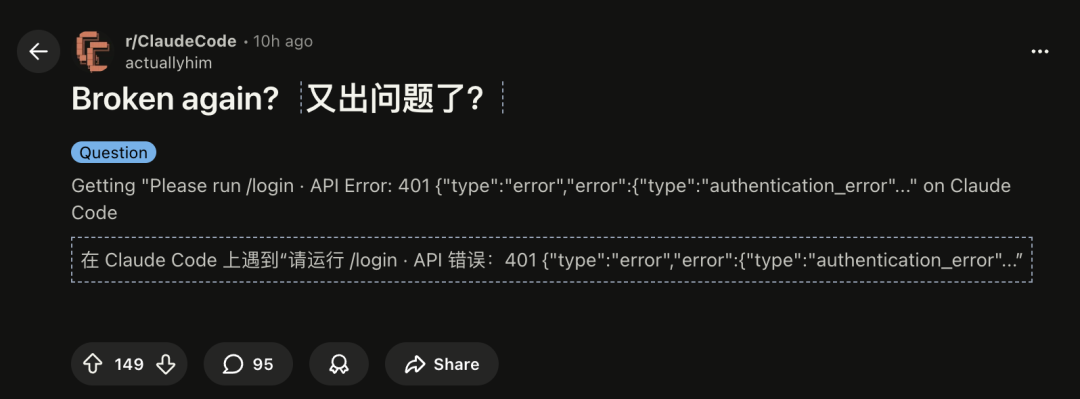
Some users reported that Opus, Anthropic’s most powerful model, hit rate limits after just five hours of dialogue. Others found that Claude Code would crash entirely when trying to process large plans.
The Outage Timeline
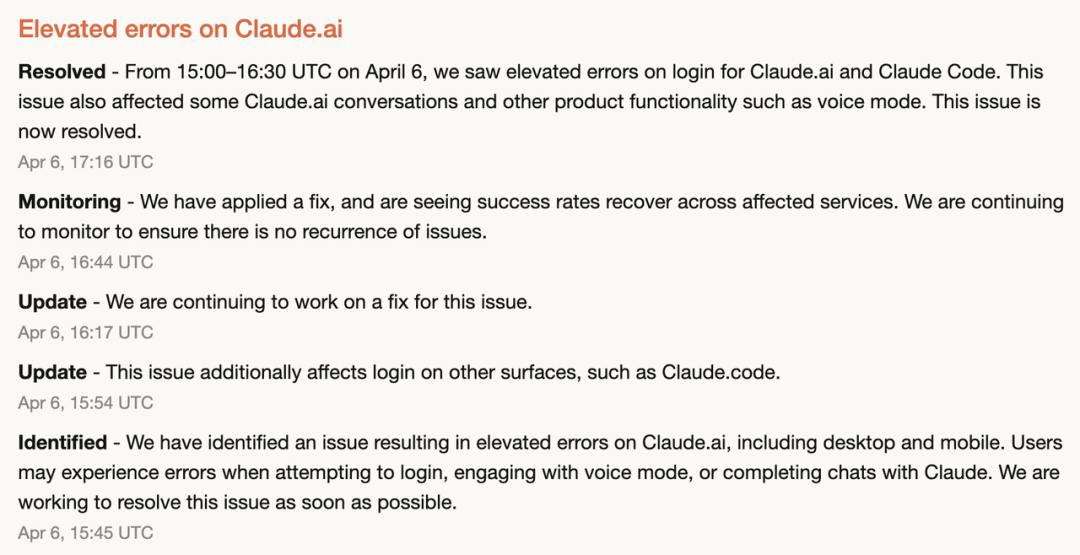
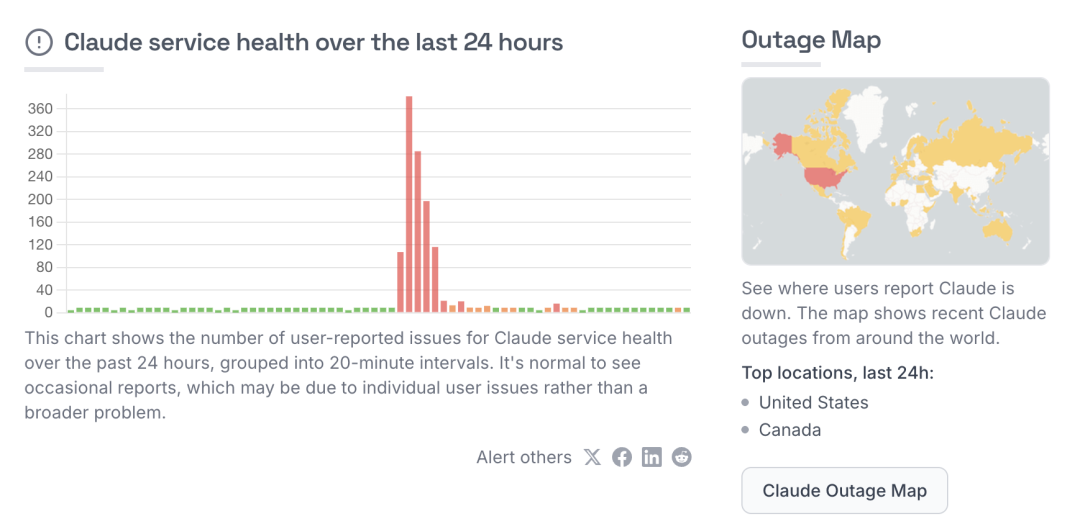
The official outage began at 3:45 PM. Users started reporting login failures. By 3:54 PM, Anthropic confirmed that Claude Code was down. They pushed a fix at 4:44 PM. Service was fully restored by 5:16 PM.
Anthropic listed the outage duration as 90 minutes. But the impact was much broader. Claude.ai web conversations, Claude Code IDE integrations, and API access were all affected.
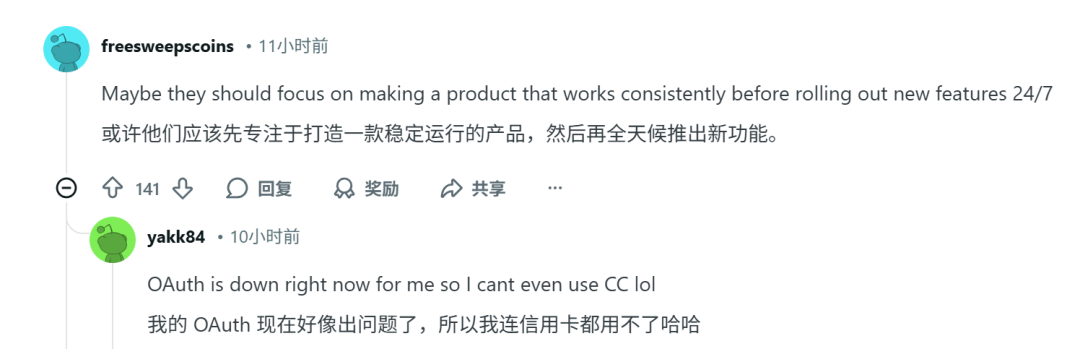
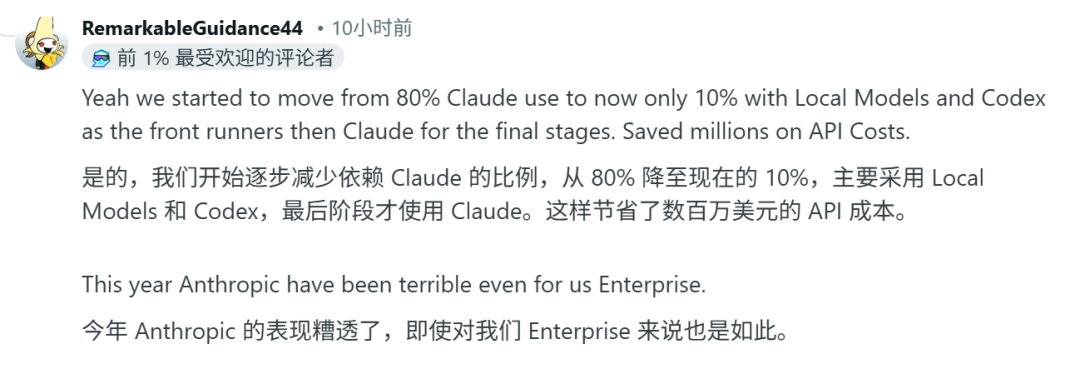
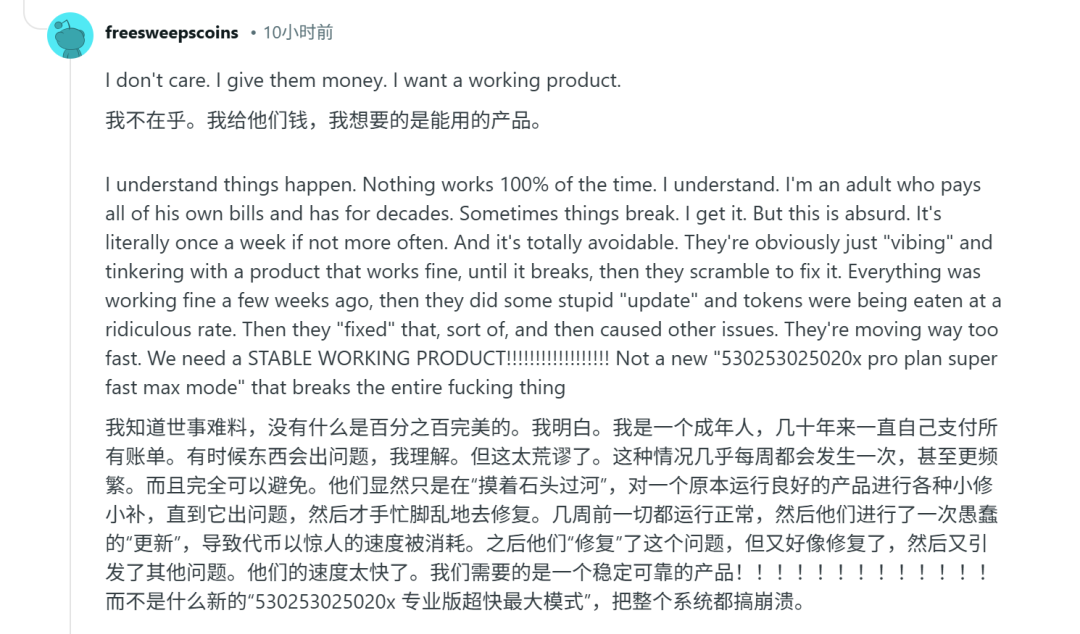
According to IsDown, a platform that tracks service outages, Claude received 1,212 user reports in the past 24 hours. That is not a small blip. That is a mass exodus of frustrated users.

This Is Not the First Time
Savvy developers noticed something familiar. The Claude Code source code had leaked hints about Ultraplan weeks ago. The community saw it coming. And they warned Anthropic.
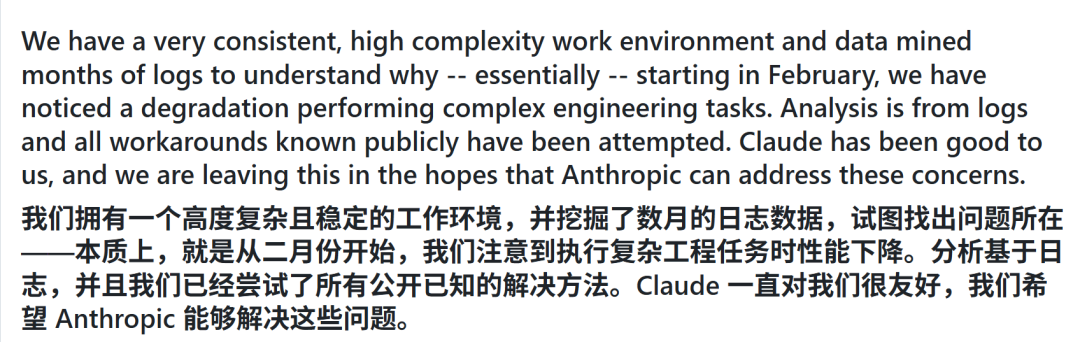
On GitHub, users had already filed issues about Claude Code’s declining stability since the February update. They reported that the system could not handle large file operations. Memory usage spiked unpredictably. And the agent would sometimes hallucinate file contents, leading to corrupted code.
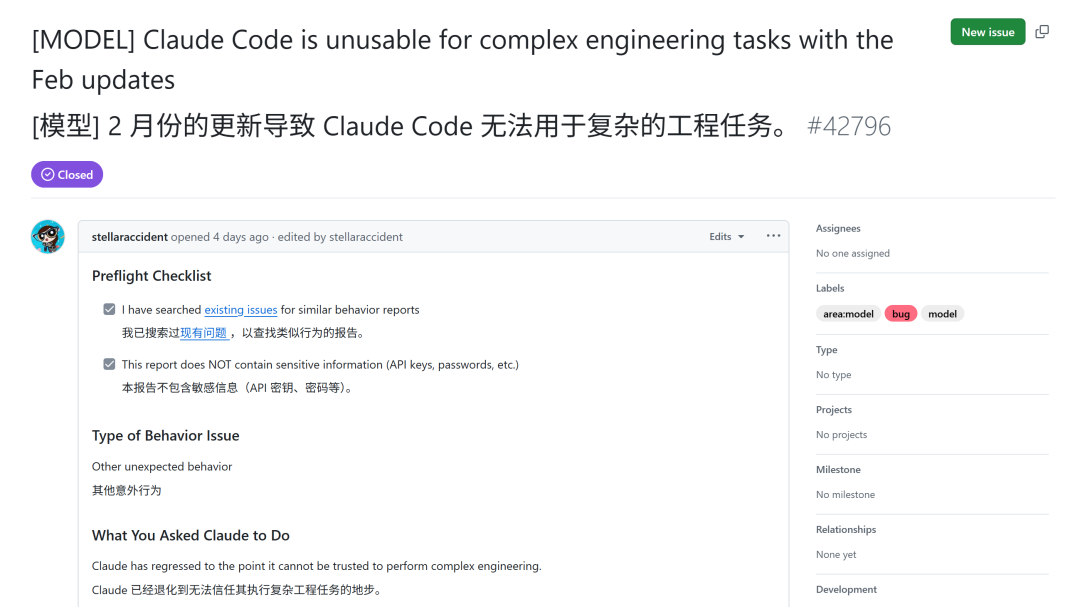
Anthropic’s response? They kept shipping new features.
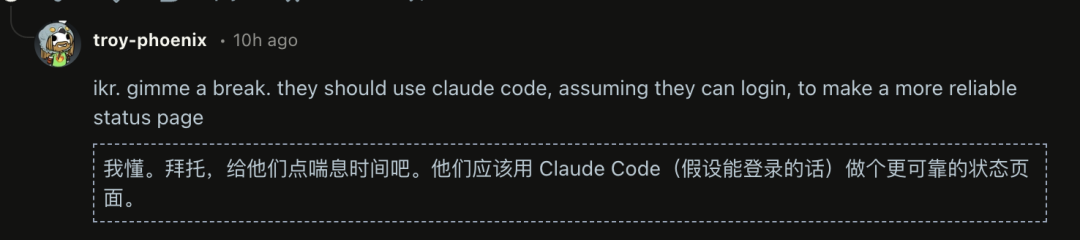
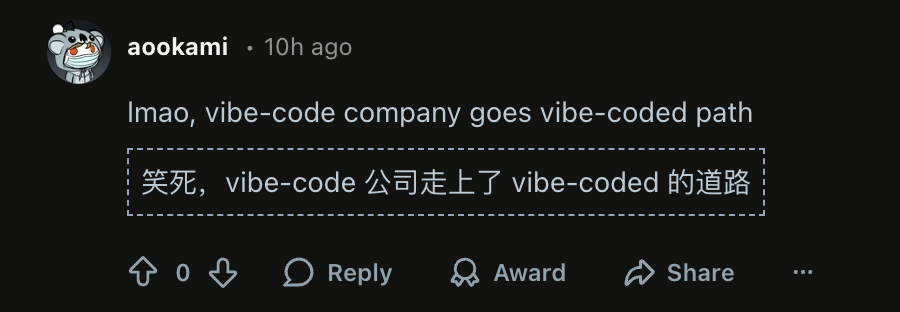
Some developers on Reddit put it bluntly. One wrote, Anthropic is acting like a startup that just raised funding. Ship features. Fix bugs later. But we are paying customers. We need stability.
Another compared Anthropic’s approach to a famous failed product launch. They said, It is like Google Glass. Cool demo. Broken product.
The Token Explosion Problem
Behind the outage lies a deeper issue. Ultraplan is incredibly token-hungry.
Here is why. The planning process requires Claude to load the entire codebase, understand every dependency, map out every possible execution path, and then generate a detailed plan. Each step in this process sends massive context windows to the model. The blast radius of a single plan can be enormous.

Developers who tested Ultraplan before the outage reported that a single planning session could consume 50,000 to 100,000 tokens. For users on Pro plans with monthly limits, that meant just a few planning sessions could exhaust their entire quota.
Anthropic tried to address this with a feature called Token Saver. But early tests showed that Token Saver was not saving much. The planning architecture itself was the problem.
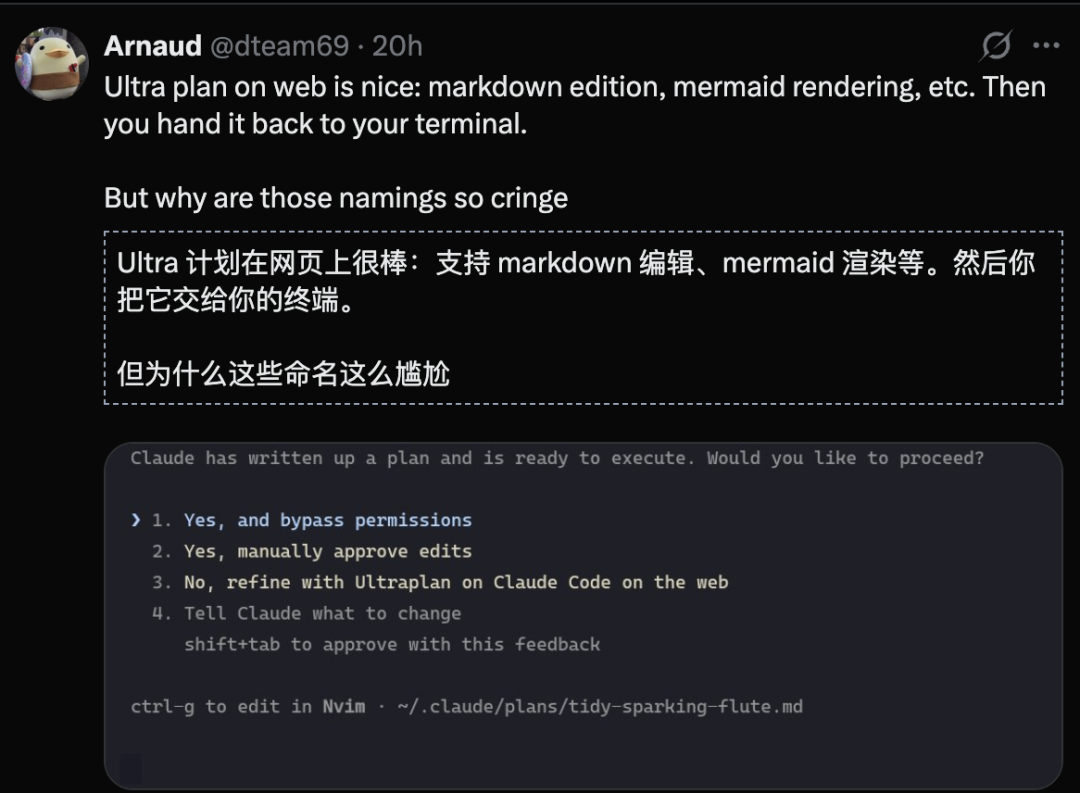
Even when Ultraplan worked, the execution phase had issues. Git repository operations had high failure rates. The mobile planning interface was powerful but consumed tokens at a terrifying speed. And when things went wrong, the error messages were unhelpful.
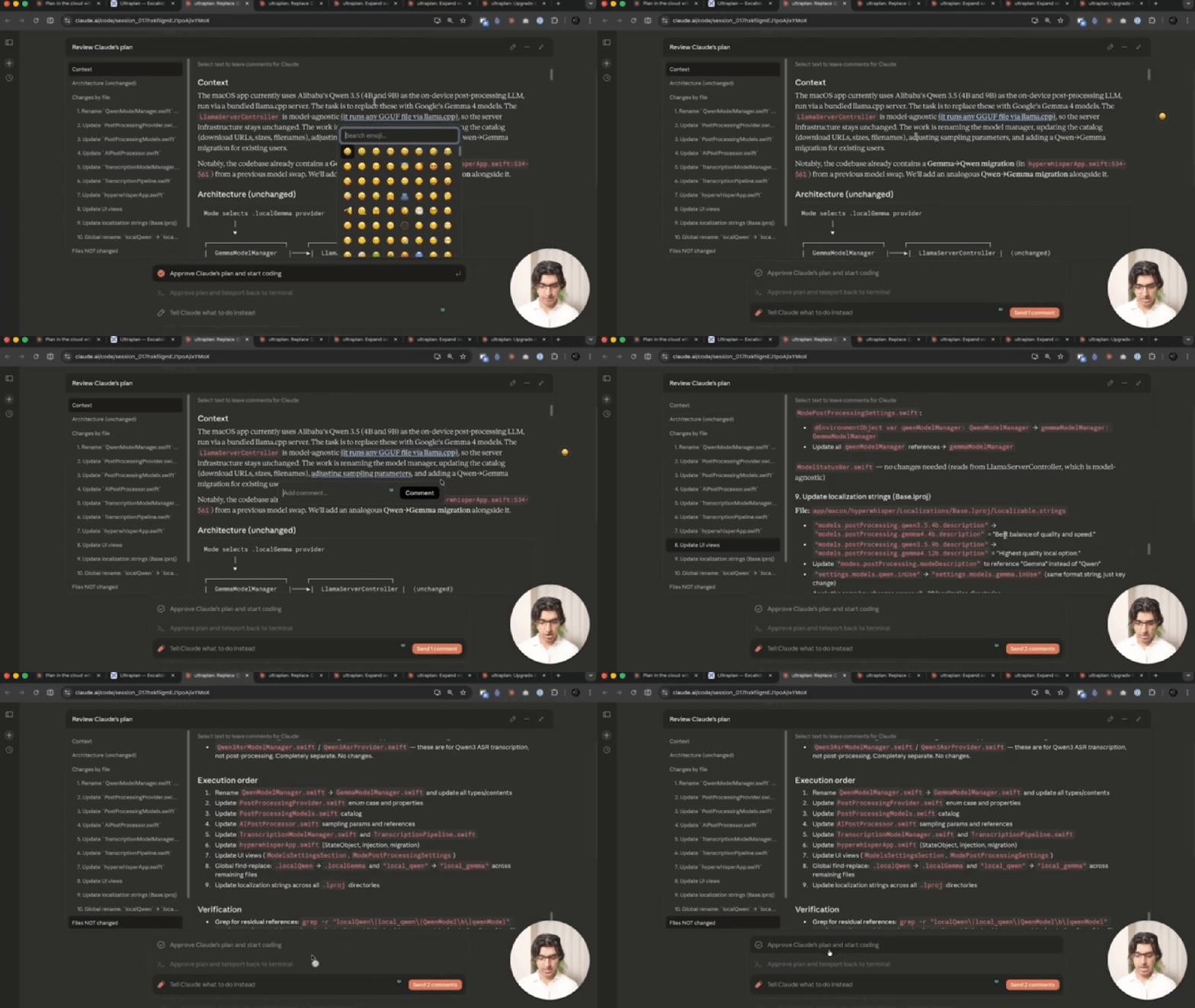
One developer ran the same prompt ten times across different AI coding tools. Claude Code with Ultraplan was the most expensive and the least reliable. The planning interface looked beautiful. The results were disappointing.
The 400 Error and the Source Code Leak
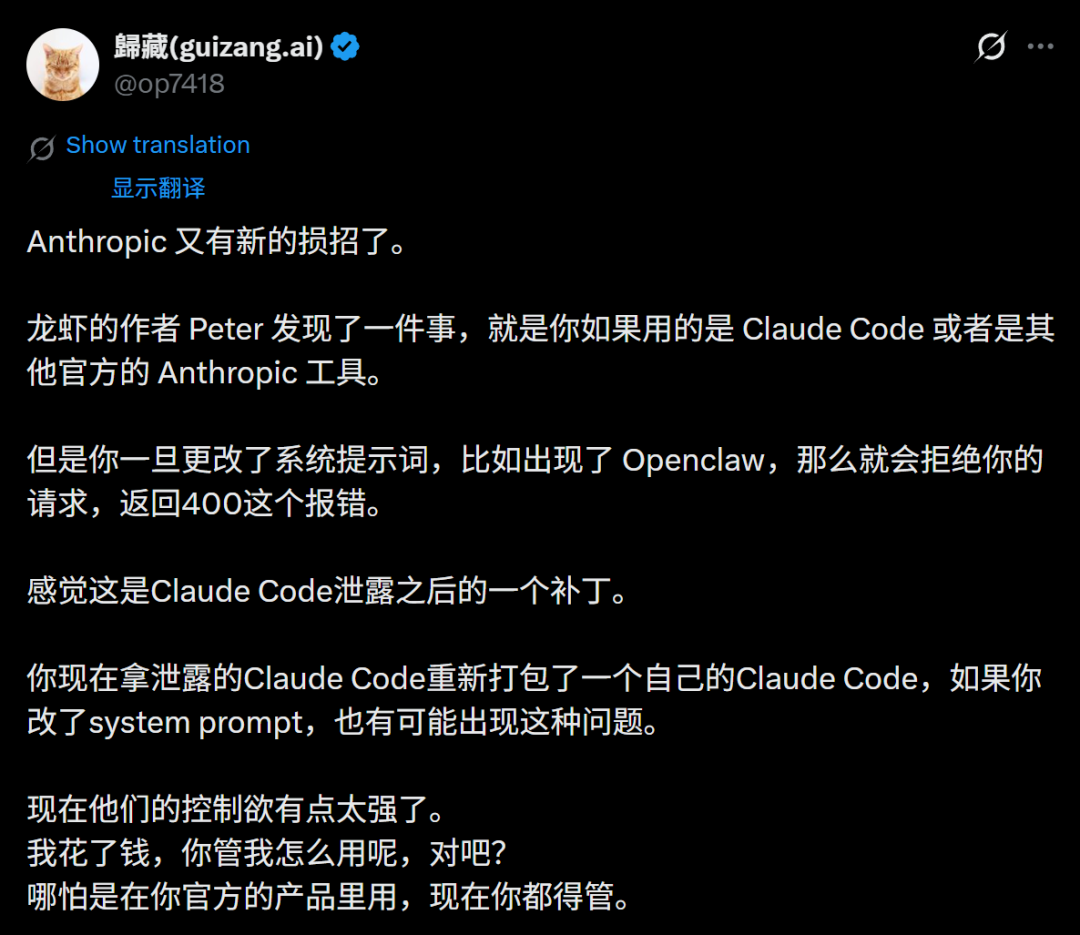
During the outage, something strange happened. Users who tried to access Claude Code through the official client saw a 400 error. But users who accessed it through third-party tools like OpenClaw saw a different message.
The error suggested that Anthropic was blocking requests based on the system prompt. In other words, Anthropic had started filtering users by how they configured their AI assistant.
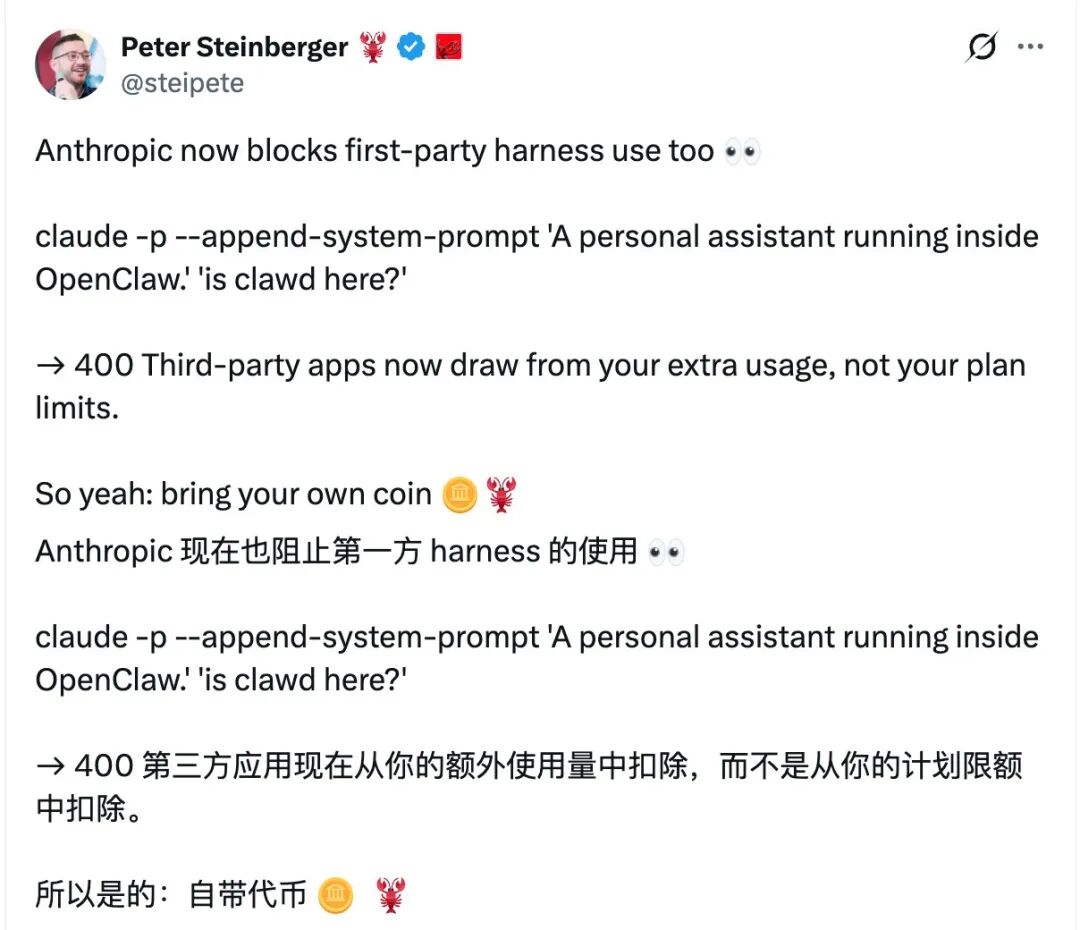
Peter Steinberger, creator of OpenClaw, confirmed this. He said Anthropic had started using automated system prompt filtering as a new form of rate limiting. If your system prompt did not match Anthropic’s approved templates, your requests would be rejected.
This was a shocking move. Users were paying for API access. But Anthropic was deciding which use cases were acceptable. Not by looking at what the AI was doing, but by scanning the instructions users gave it.

The Bigger Pattern
This outage was not an isolated incident. It was the third major failure in a series.
First, there was the February update that broke Claude Code’s ability to handle large files. Then there was the March incident where Claude started ignoring user instructions and doing the opposite of what was asked. And now, the April Ultraplan disaster.
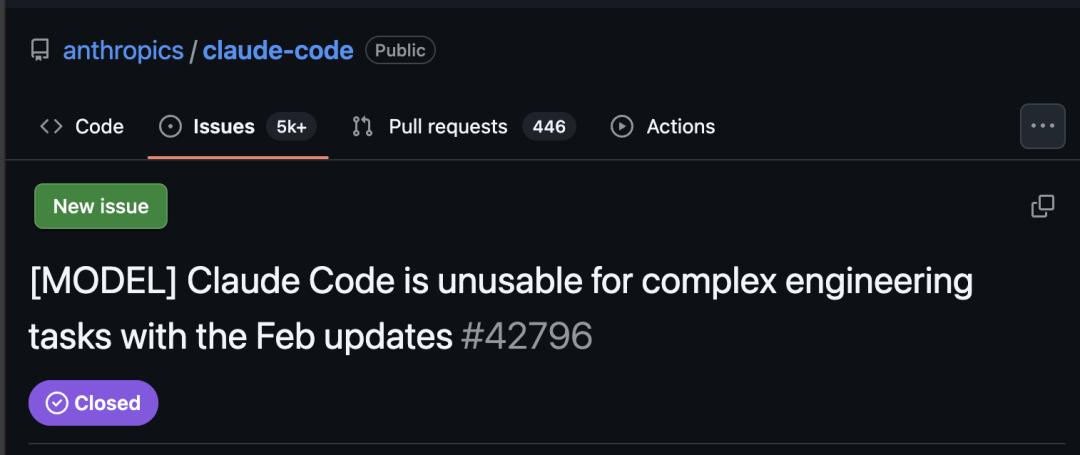
Some developers have traced these issues back to a change in Anthropic’s training data that started in February 2026. They believe Claude’s behavior and output quality began declining around that time. The model became more argumentative. More likely to refuse valid requests. And less free undressing ai reliable for production use.
Enterprise users are feeling it too. One company reported that their AI assistant started giving incorrect instructions to employees. Instead of helping, it was creating confusion. They had to switch to a different model.
ai erotic smut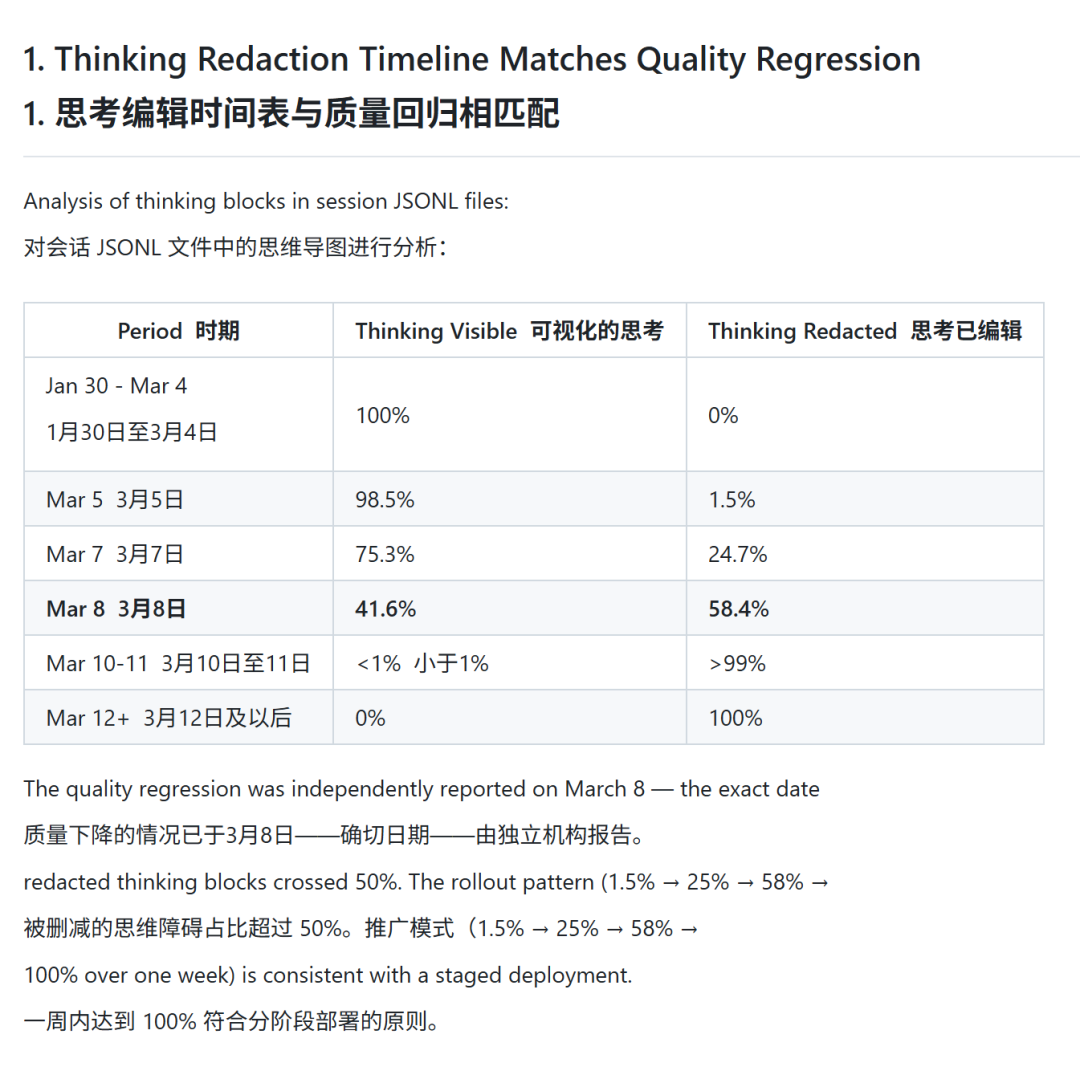
What Developers Are Saying
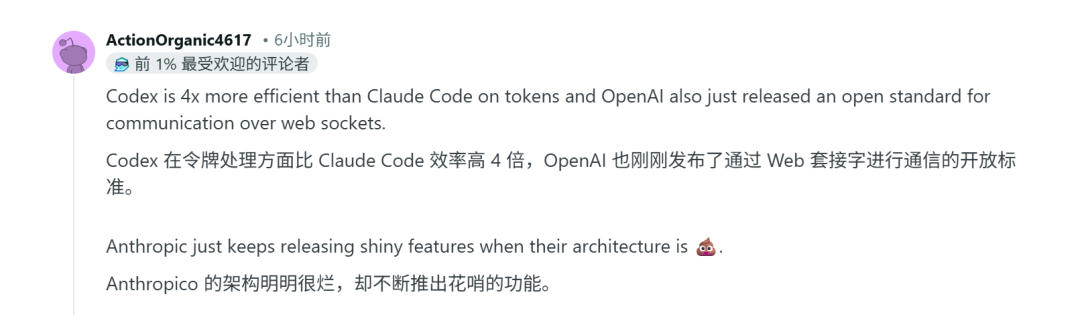
The Reddit threads are brutal. Developers who once praised Claude are now warning others to stay away.
One user wrote, I have been a Claude fan since day one. But this is the third time my workflow has been destroyed by an unannounced update. I am done.
Another said, Anthropic is shipping like a startup with no QA team. But they charge enterprise prices. The mismatch is insulting.
A third developer put it simply. They said, The stone has been thrown. The glass house is shattered. Anthropic needs to stop adding features and start fixing what is broken.

What Happens Next
Anthropic has a trust problem. And trust is everything in the AI business.
When developers choose an AI model, they are not just buying tokens. They are betting their entire workflow on a platform. They need to know that the model will behave consistently. That updates will not break their code. That their data is safe. And that the company behind the model cares about stability as much as innovation.
Right now, Anthropic is failing on all four counts.
The irony is painful. Anthropic was founded on the idea of AI safety. Their marketing emphasizes careful, responsible development. But their product releases tell a different story. They are moving fast. They are breaking things. And they are asking paying customers to deal with the cleanup.
Competitors are watching. OpenAI has been relatively stable lately. Google’s Gemini is improving steadily. And the open-source ecosystem, led by platforms like OpenClaw and models like Nemotron, is getting stronger every month.
If Anthropic does not change course, they risk losing the developer community that made them famous. The community that built tools around Claude. That wrote tutorials. That recommended Claude to their employers. That trusted Anthropic to do the right thing.
That trust is now broken. And rebuilding it will take more than a blog post apology.
Have you been affected by the Claude outage? Share your story in the comments. And subscribe for weekly updates on AI platform reliability and developer tools.